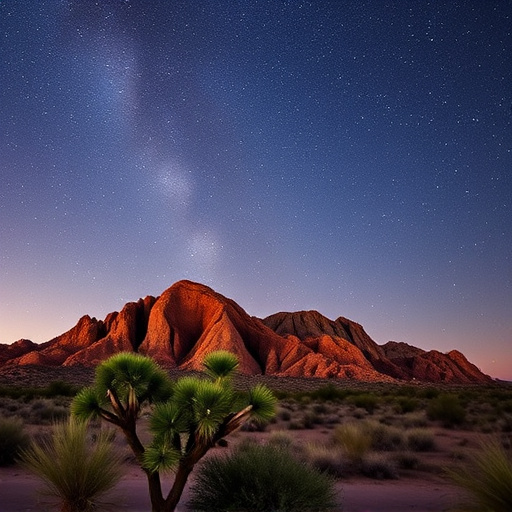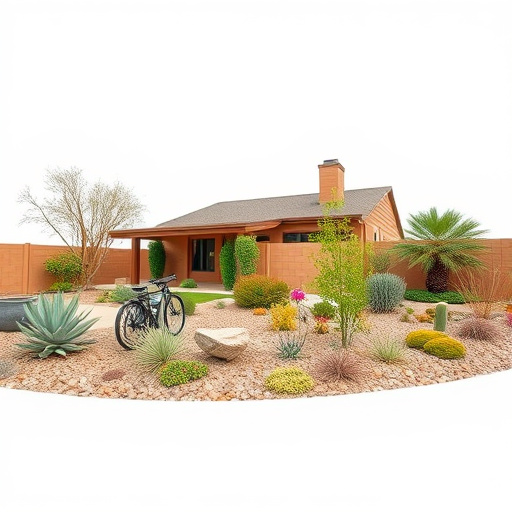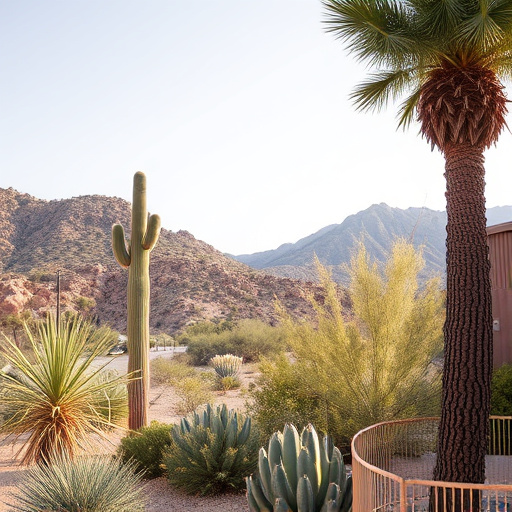
Tucson Real Estate faces a crucial task: balancing development with desert flora preservation. Strict local laws protect native plant species and fragile ecosystems in this arid region. Developers must conduct comprehensive site assessments, engage ecological experts early, and adhere to regulations like those outlined in the city's General Plan. Protecting species like cacti and succulents, many protected under state and federal law, is essential. By integrating sustainable practices and collaborating with conservation groups, Tucson Real Estate can approve projects while preserving its unique natural heritage, fostering a vibrant and ecologically responsible community.
In the arid landscapes of Tucson Real Estate, preserving rare desert flora is more than an environmental concern; it’s a critical component of sustainable development. The intricate balance between new construction projects and the protection of native plant species has become a pressing issue. Stricter preservation laws, aimed at safeguarding these unique ecosystems, have significantly impacted the approval process for developers. Understanding these regulations is vital for navigating Tucson’s real estate market, ensuring both environmental stewardship and successful project outcomes. This article delves into the intricacies of desert flora preservation laws, offering insights that inform developers, policymakers, and residents alike.
- Understanding Desert Flora Preservation Laws
- Impact on New Construction Approvals in Tucson Real Estate
- Identifying Protected Plant Species in Arizona
- Legal Requirements for Development Projects
- Case Studies: Successes and Challenges in Tucson
- Future Trends and Best Practices for Developers
Understanding Desert Flora Preservation Laws
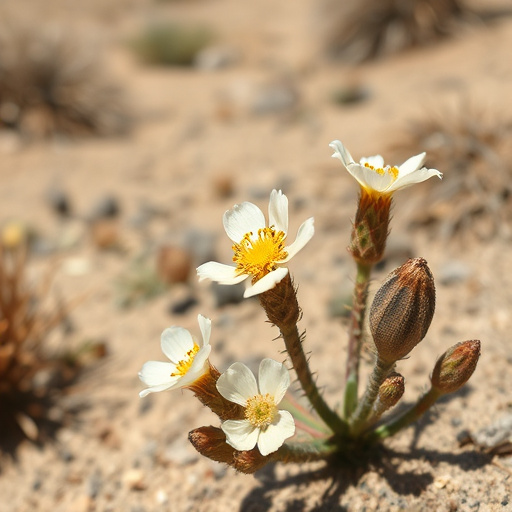
Desert flora preservation laws play a pivotal role in shaping new construction projects in regions like Tucson Real Estate, ensuring delicate ecosystems are respected and protected. These regulations are designed to safeguard native plant species, many of which are endemic to arid climates, from the impacts of urban development. Understanding these laws is crucial for developers, architects, and property owners seeking approvals for projects within designated conservation areas.
Tucson, known for its diverse desert landscapes, has implemented stringent guidelines to preserve its unique flora. For instance, the city’s General Plan includes specific provisions for open space preservation and sustainable land use practices. Developers must conduct thorough environmental impact assessments and consult with ecological experts before breaking ground. This process involves identifying and categorizing existing plant life, assessing potential threats, and proposing mitigation measures. Failure to adhere to these regulations can result in project delays or even denial of permits.
Experts emphasize the importance of early engagement with local authorities and ecologists to ensure compliance. Developers should conduct comprehensive site assessments to document existing vegetation, identify rare or endangered species, and understand their habitat requirements. For instance, certain succulents and cacti are protected under state and federal laws, and their removal or destruction can incur severe penalties. By integrating these insights into project planning, developers can design around sensitive areas, preserving the region’s natural beauty while still accommodating growth.
Practical advice for navigating these regulations includes conducting regular flora surveys, maintaining accurate records, and seeking expert advice early in the development process. Developers should also explore incentives and grants available for projects that incorporate sustainable landscaping practices. By embracing these preservation laws, Tucson Real Estate can foster responsible development that respects its rich ecological heritage while ensuring a balanced approach to urban growth.
Impact on New Construction Approvals in Tucson Real Estate
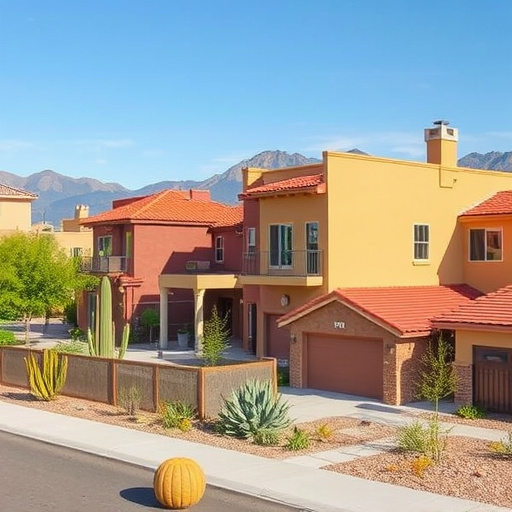
In Tucson Real Estate, the preservation of desert flora is not merely an environmental concern but a regulatory framework that significantly influences new construction approvals. Local laws and regulations have been implemented to protect the region’s unique and fragile ecological balance, specifically addressing the impact of development on native plant life. These guidelines are particularly stringent in areas known for their arid climate and diverse, yet delicate, vegetation. For instance, developments in certain parts of Tucson must adhere to strict standards set by the city’s Department of Environmental Health, which includes preserving existing desert flora and implementing sustainable landscaping practices.
The implications for new construction projects in Tucson Real Estate are multifaceted. On one hand, builders and developers face increased administrative burdens as they must meticulously plan and document their proposals, ensuring compliance with preservation laws. This process often involves detailed site assessments, native species surveys, and the development of habitat conservation plans. For instance, a recent high-density residential project in the city center required extensive consultation with ecological experts to design a landscape that not only accommodates building infrastructure but also preserves the area’s rare desert succulents.
However, these regulations are not impediments but opportunities for innovation in Tucson Real Estate. Developers who embrace sustainable construction methods and integrate native flora into their designs can create projects that are both ecologically responsible and aesthetically appealing. This approach not only meets regulatory requirements but also attracts environmentally conscious buyers and tenants, enhancing the long-term market value of properties. For example, a luxury apartment complex under development in the city’s northwest quadrant is incorporating local species like the saguaro cactus and creosote bush into its landscaping, setting a new standard for eco-friendly urban design in Tucson Real Estate.
Identifying Protected Plant Species in Arizona
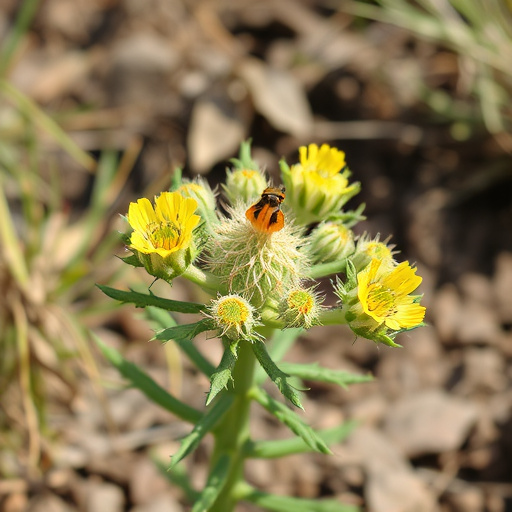
In Arizona, particularly in Tucson Real Estate, the preservation of desert flora is a critical aspect of environmental conservation efforts. The state has numerous protected plant species, each with specific habitats and ecological roles. For instance, the Sonoran Desert, which encompasses much of Tucson, is home to over 2,000 plant species, many of which are endemic to the region. This rich biodiversity necessitates a robust framework for identifying and protecting these species, especially in areas undergoing new construction.
Identifying protected plant species requires a thorough understanding of local ecosystems and regulatory frameworks. The Arizona Department of Game and Fish (ADGF) maintains an extensive database of state-protected plants, including rare and endangered species. Developers and construction professionals must consult this database and conduct site assessments to ensure compliance with preservation laws. For example, the Pinyon Pine and several varieties of cacti are protected under state law, and any development projects in their habitats require special permits and mitigation plans. In Tucson, where urban expansion has fragmented natural habitats, these regulations are particularly crucial to maintaining the ecological balance.
Practical advice for navigating these requirements includes engaging licensed botanists or ecological consultants early in the planning process. These experts can conduct site surveys, identify protected species, and recommend appropriate conservation measures. Moreover, developers should be proactive in seeking pre-approvals from regulatory agencies to streamline the construction process. Understanding and adhering to these preservation laws not only ensures compliance but also contributes to the long-term sustainability of Tucson’s unique natural landscape, enhancing its value as a vibrant and ecologically responsible community.
Legal Requirements for Development Projects

In the arid landscapes of Tucson Real Estate, where water scarcity and extreme temperatures pose significant challenges to plant life, desert flora preservation laws play a pivotal role in shaping new construction projects. These regulations, designed to protect endemic species and unique ecosystems, have profound implications for developers seeking approval for construction initiatives. Understanding these legal requirements is essential to ensure compliance, mitigate environmental impact, and contribute to the long-term sustainability of the region’s delicate natural tapestry.
Tucson’s local ordinances and state-level environmental laws mandate rigorous assessments before approving any development that may encroach upon protected habitats or disrupt existing flora. Developers must conduct comprehensive surveys to identify and map rare plant species, assess potential habitat fragmentation, and predict the project’s long-term ecological consequences. For instance, a proposed residential subdivision in the Sonoran Desert must adhere to strict guidelines, including preserving buffer zones around sensitive plant communities and implementing strategies to prevent soil erosion that could harm native vegetation. Failure to comply can lead to project delays, costly modifications, or even outright rejection.
Practical insights for developers navigating these requirements include engaging experienced ecologists early in the planning phase, utilizing specialized software for habitat modeling, and staying abreast of updated regulations. Collaborating with local conservation groups can also be beneficial, as these organizations often provide valuable insights into at-risk flora and contribute to community support for responsible development. Additionally, developers should explore incentives and mitigation measures offered by environmental agencies, such as funding for habitat restoration or reforestation projects, which can help offset potential ecological impacts. By embracing these legal requirements and adopting sustainable practices, Tucson Real Estate can foster both economic growth and the preservation of its unique desert flora.
Case Studies: Successes and Challenges in Tucson
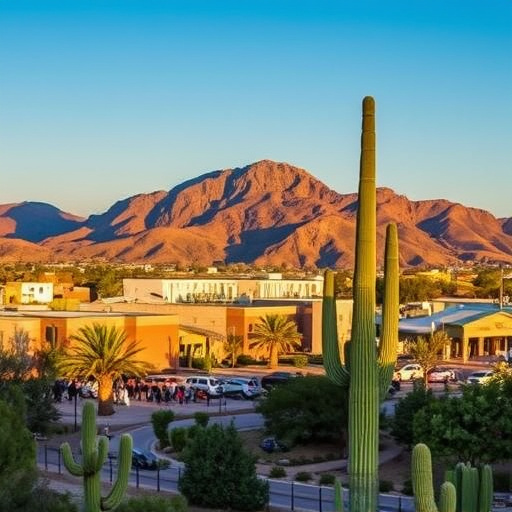
In Tucson, the preservation of desert flora has become a paramount concern alongside the city’s booming real estate sector. The unique ecological landscape of southern Arizona is home to an array of rare and indigenous plant species, many of which are protected by stringent local ordinances. These regulations significantly impact new construction projects, requiring developers and builders to meticulously plan and execute their plans in harmony with environmental conservation.
One notable success story involves the revitalized downtown area, where developers have embraced sustainable design principles. For instance, a recent high-rise apartment complex incorporated native succulents and cacti into its landscaping, not only enhancing aesthetics but also providing crucial habitats for local wildlife. This approach aligns with Tucson’s commitment to preserving its natural heritage while fostering urban development. However, challenges remain, particularly in areas experiencing rapid growth. Developers often struggle with balancing the requirements of conservation and construction, especially when dealing with limited land parcels.
Tucson Real Estate professionals have adapted by employing innovative design solutions and collaborating closely with environmental experts. They are leveraging technologies to model plant growth and simulate various development scenarios, ensuring compliance from the initial planning stages. This proactive approach has led to a surge in eco-friendly projects across the city. Despite these successes, navigating the complex web of preservation laws can be daunting for newcomers. Expert consultants specializing in desert flora conservation offer invaluable guidance, providing insights into species protection, habitat restoration, and sustainable building practices tailored to Tucson’s unique environment.
Future Trends and Best Practices for Developers

As development pressure grows in regions like Tucson Real Estate, preserving the diverse and delicate desert flora becomes an increasingly critical challenge. Stringent preservation laws, designed to safeguard these ecosystems, are influencing new construction approvals, demanding developers adopt innovative strategies. Future trends suggest a greater emphasis on sustainable building practices, habitat restoration, and creative land-use planning. Developers who stay ahead of these changes will be better positioned for success in the Tucson market.
One best practice is incorporating native plant species into development plans. Native flora not only contributes to ecological balance but also reduces water consumption, an increasingly vital consideration in arid climates. For instance, using drought-resistant succulents and cacti in residential landscapes can significantly decrease irrigation needs. Additionally, developers should collaborate with environmental experts early in the planning phase to conduct thorough habitat assessments and identify protected species, ensuring compliance and minimizing project delays.
Data from recent studies shows that proactive environmental stewardship can lead to positive outcomes for both development projects and regional ecosystems. For example, a case study in nearby areas demonstrated that incorporating green infrastructure, such as biodiverse corridors and retention ponds, not only reduced the ecological footprint of a large-scale development but also attracted a wider array of local wildlife. Developers in Tucson Real Estate have an opportunity to create sustainable, resilient communities while preserving the region’s unique natural heritage.
Desert flora preservation laws play a pivotal role in shaping the landscape of Tucson Real Estate. Understanding these regulations is crucial for developers navigating the approval process. Key takeaways include the importance of identifying protected plant species, adhering to strict legal requirements, and learning from case studies highlighting both successful integrations and challenges. Moving forward, adopting best practices such as early consultation with experts and community engagement will ensure sustainable development while preserving Tucson’s unique botanical heritage. These insights empower stakeholders to make informed decisions, fostering a harmonious balance between growth and conservation in this delicate ecosystem.