
Tucson Real Estate faces a significant challenge due to its aging population, driving demand for assisted living facilities. Key insights include:
– Market analysis crucial for understanding senior housing needs and competition.
– Strategic location near healthcare and amenities preferred by seniors.
– Flexible zoning policies and mixed-use developments balance accessibility and affordability.
– Integrating technology and universal design principles enhances ALF appeal.
– Collaboration between developers, architects, and governments fosters age-friendly communities.
– Understanding local demographics and healthcare services ensures competitive positioning.
As populations age, the demand for assisted living facilities is projected to surge, particularly in urban centers like Tucson Real Estate. However, zoning laws often lag behind these demographic shifts, creating a critical mismatch between available services and senior needs. This article delves into the challenges posed by this discrepancy, exploring how dynamic zoning policies can align with anticipated senior demographics. We propose innovative solutions that consider not just housing requirements but also the social and healthcare infrastructure vital for thriving senior communities in Tucson Real Estate and beyond.
- Understanding Senior Demographic Shifts in Tucson Real Estate
- The Rise of Assisted Living: A Market Analysis
- Zoning for Aging: Challenges and Opportunities in Tucson
- Integrating Senior Care: Urban Planning Strategies
- Future-Proofing Assisted Living: Best Practices for Developers
Understanding Senior Demographic Shifts in Tucson Real Estate
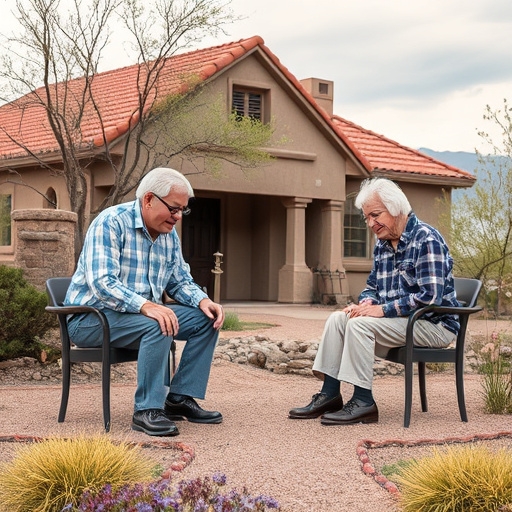
Tucson Real Estate faces a significant challenge in keeping pace with its senior demographic shifts. According to recent projections, the city’s population of individuals aged 65 and over is expected to grow substantially in the coming years. This aging population brings both opportunities and complexities for the real estate market, particularly within assisted living facilities. Understanding these demographic changes is crucial for developers and investors looking to navigate Tucson Real Estate successfully.
The rising demand for senior care services can be attributed to several factors. Lengthening lifespans, coupled with advancements in healthcare, have led to an increase in the number of older adults requiring specialized assistance. Additionally, baby boomers, now reaching retirement age, contribute to this growing demographic. Tucson Real Estate must accommodate these trends by developing assisted living communities that cater to the unique needs and preferences of seniors. For instance, modern amenities such as wellness centers, memory care units, and easily accessible outdoor spaces are in high demand.
To capitalize on these shifts, real estate professionals should conduct thorough market analyses focusing on population density, existing senior housing options, and community amenity availability. By identifying areas with a high concentration of seniors but limited assisted living facilities, developers can strategically position new projects. For example, the rapid expansion of Tucson’s northeastern suburbs has created a demand for senior-centric developments, offering easy access to healthcare services and recreational opportunities. Investing in such locations could prove lucrative while also ensuring adequate care options for an increasingly elderly population.
The Rise of Assisted Living: A Market Analysis
The assisted living industry has experienced significant growth over the past decade, driven by an aging population and changing consumer preferences. This trend is expected to continue as senior demographic projections indicate a substantial increase in individuals aged 65 and older. Tucson Real Estate, known for its vibrant community and quality of life, naturally finds itself at the forefront of this market shift, presenting both opportunities and challenges for developers and investors.
A key aspect of this growth is the rise of assisted living facilities as a preferred option for seniors seeking support while maintaining independence. According to recent studies, the demand for assisted living units in the United States is projected to grow by over 20% between 2021 and 2030. This surge in demand can be attributed to several factors: longer life expectancies, increased prevalence of chronic conditions requiring assistance, and a growing preference for residential options that offer personalized care and community engagement. Tucson’s diverse population base, including a significant number of young professionals with aging parents, presents a strong market for such facilities.
To meet this demand effectively, developers must consider strategic location choices in Tucson Real Estate. Urban areas offering easy access to healthcare services, transportation, and social amenities are increasingly attractive. For instance, the city’s central neighborhoods could accommodate boutique assisted living communities catering to diverse lifestyles and cultural backgrounds. Additionally, there is potential for innovative design solutions, such as mixed-use developments that integrate housing, retail, and care services, enhancing the overall livability of Tucson’s urban core.
In terms of actionable advice, developers should conduct thorough market analyses to identify specific needs within the senior population. Customizing facilities to cater to diverse preferences—from independent living to memory care—will be crucial for success. Furthermore, leveraging technology to enhance care delivery and resident engagement can set apart top-performing assisted living communities in Tucson Real Estate. By embracing these strategies, developers can contribute to the vibrant landscape of senior living options while capitalizing on a rapidly growing market segment.
Zoning for Aging: Challenges and Opportunities in Tucson

Tucson, known for its vibrant culture and stunning desert landscapes, is also facing a significant challenge—accommodating the growing senior population. As per recent projections, the city’s demographic shift demands innovative approaches to housing and care, particularly in assisted living facilities. Zoning plays a pivotal role in shaping this future, presenting both challenges and opportunities for urban planners and developers.
The primary concern lies in ensuring that Tucson Real Estate meets the evolving needs of seniors while maintaining the city’s unique character. With an aging population, there is an increased demand for affordable and accessible assisted living options. However, zoning regulations often limit development, especially in desirable areas. Balancing these factors requires a strategic approach. Planners can explore flexible zoning policies, allowing mixed-use developments that include senior housing alongside commercial and residential spaces. This integrated model promotes walkability and accessibility, enhancing the quality of life for seniors.
An opportunity arises through the adaptation of existing buildings. Tucson’s historic districts offer a rich architectural heritage, and converting underutilized structures into assisted living facilities can be a sustainable solution. This approach not only preserves the city’s character but also provides a unique living environment for seniors. Experts suggest that collaborative efforts between developers, architects, and local governments are crucial to identifying suitable sites and navigating zoning complexities. By embracing innovative design and flexible regulations, Tucson can create vibrant, age-friendly communities, ensuring its real estate market caters to the needs of its growing senior demographic.
Integrating Senior Care: Urban Planning Strategies
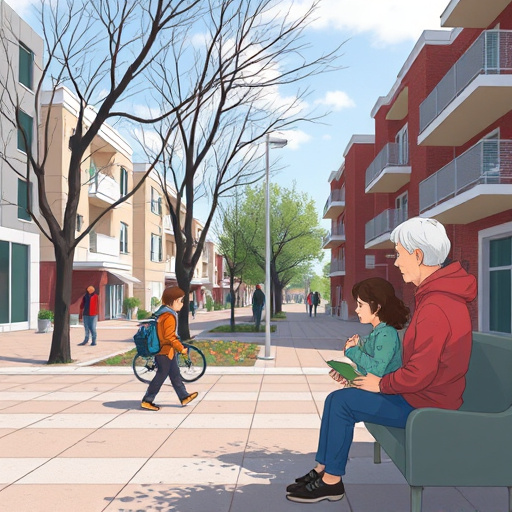
The integration of senior care into urban planning is a growing priority as demographic shifts demand innovative solutions. With the aging population projected to significantly impact cities worldwide, including Tucson’s diverse landscape, strategic zoning becomes essential. Tucson Real Estate developers and urban planners must anticipate these changes to create sustainable and inclusive communities for seniors. For instance, according to recent studies, by 2035, people aged 65 and over will comprise nearly 18% of the U.S. population, posing unique challenges and opportunities for urban design.
A key strategy involves identifying suitable locations for assisted living facilities (ALFs) within mixed-use developments. This approach ensures that seniors have easy access to essential services, healthcare, and social interactions while fostering a sense of community. For example, integrating ALFs into vibrant, pedestrian-friendly neighborhoods in Tucson Real Estate projects can promote active lifestyles and reduce the need for extensive transportation. Urban planners should consider zoning regulations that facilitate such mixed-use developments, ensuring a harmonious balance between residential, commercial, and healthcare spaces.
Furthermore, designing senior-friendly infrastructure is vital. This includes accessible public spaces, well-lit walkways, and easily navigable transit systems. By adopting these urban planning strategies, Tucson can position itself as a forward-thinking metropolis that embraces its aging population. Incorporating senior care into the fabric of the city not only addresses demographic projections but also fosters a high quality of life for residents, making Tucson an attractive destination for retirees and ensuring a vibrant future for its diverse communities.
Future-Proofing Assisted Living: Best Practices for Developers

As the senior demographic continues to grow, assisted living facilities (ALFs) are becoming increasingly vital components of the healthcare landscape. By 2050, it’s projected that nearly 20% of the U.S. population will be aged 65 or older, placing significant strain on existing ALF infrastructure, particularly in urban areas like Tucson Real Estate. To meet this demand, developers must adopt best practices that future-proof their investments and ensure they remain relevant in a rapidly evolving market. One key strategy is to anticipate and cater to the diverse needs of an aging population, focusing on accessibility, technology integration, and services tailored to cognitive health.
Tucson Real Estate, known for its vibrant senior community, serves as a prime example where developers have successfully navigated these challenges. Many ALFs in the area prioritize universal design principles, incorporating features like wider hallways, grab bars, and step-less entryways to accommodate residents with mobility issues. Additionally, they integrate technology such as smart home systems and monitoring devices that not only enhance safety but also encourage independent living for longer periods. These forward-thinking developments have proven successful in attracting a wide range of seniors, from those requiring minimal assistance to those needing more intensive care.
To future-proof assisted living facilities further, developers should consider location intelligence and market analysis. Understanding local demographic trends, healthcare services availability, and competition is crucial. For instance, Tucson Real Estate’s proximity to top-rated medical centers and its growing senior population make it an ideal location for ALF development. By understanding these dynamics, developers can strategically position their facilities, offer competitive pricing, and provide tailored amenities that cater to the specific needs of the local senior demographic. Regularly reviewing and adapting to changing healthcare regulations and preferences will also ensure long-term success in this evolving sector.
The article offers a comprehensive exploration of assisted living facility zoning within the context of Tucson Real Estate’s evolving senior demographics. Key insights reveal a growing demand for assisted living options as the city’s aging population increases. The analysis highlights the market’s rise, emphasizing the need for strategic urban planning to integrate senior care seamlessly. Challenges and opportunities related to zoning are thoroughly discussed, providing valuable guidance for developers aiming to future-proof assisted living facilities in Tucson Real Estate. By synthesizing these findings, local authorities, developers, and urban planners can collaborate effectively to create a robust, age-friendly environment, ensuring the city’s preparedness to meet the needs of its seniors.