
Tucson Real Estate investors can leverage 1920s architectural heritage through historic preservation tax credits. Diverse styles offer potential for modern lofts or businesses while adhering to strict renovation standards. Consulting experts ensures compliance and cost-effective strategies, enhancing property value and earning tax advantages.
The historic preservation of architectural gems from decades past is a cornerstone of thriving urban landscapes, especially in culturally rich cities like Tucson Real Estate. The 1920s, with its distinctive design aesthetics, offers a unique opportunity for renovation and renewal. However, navigating the financial complexities of these projects can be daunting. Herein lies the significance of exploring tax credits as a viable solution. This article delves into the intricate world of historic preservation tax credits, revealing how they can serve as a powerful catalyst for revitalizing Tucson’s architectural heritage while offering substantial financial incentives to property owners.
- Unlocking Tucson Real Estate History: 1920s Renovations and Tax Benefits
- Navigating Historic Preservation Credits: A Guide for Tucson Property Owners
Unlocking Tucson Real Estate History: 1920s Renovations and Tax Benefits
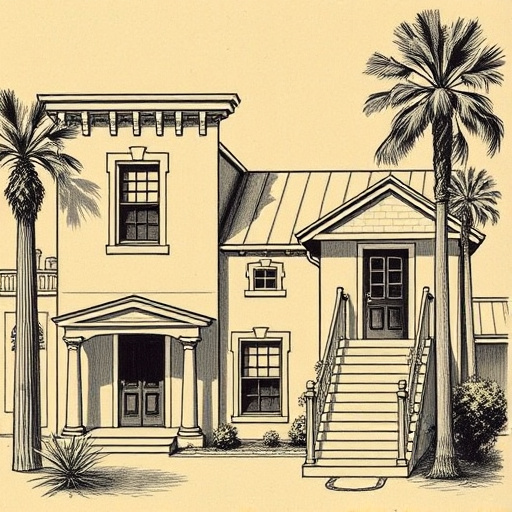
Tucson’s rich architectural heritage, marked by its diverse styles from the 1920s, offers a unique opportunity for real estate investors and enthusiasts. The city’s historic preservation tax credits have been instrumental in revitalizing properties dating back to this era, unlocking the potential of Tucson Real Estate while preserving its history. These tax incentives play a pivotal role in encouraging the restoration and reuse of older buildings, ensuring that the city’s past is not only commemorated but also contributes to its present and future prosperity.
The 1920s saw a surge in construction in Tucson, reflecting the national architectural trends of the time. From elegant Spanish Colonial Revival homes to commercial structures showcasing Art Deco influences, these buildings tell the story of an era. With proper renovation, these historic gems can be transformed into modern residences or vibrant businesses, providing a distinct advantage for investors. For instance, converting a 1920s apartment complex into luxury lofts not only attracts tenants seeking unique living spaces but also generates tax credits for the owner. This dual benefit—preserving history and achieving financial gain—is a powerful incentive for those engaged in Tucson Real Estate development.
To capitalize on these opportunities, investors should familiarize themselves with the specific guidelines and eligibility criteria for historic preservation tax credits. The process involves thorough research, consulting with experts, and adhering to strict standards during renovation. The rewards, however, can be substantial. Not only do these credits reduce tax liabilities, but they also contribute to the city’s overall aesthetic appeal, fostering a sense of pride in Tucson’s architectural heritage. By embracing the past, the city can move forward while keeping its unique character intact.
Navigating Historic Preservation Credits: A Guide for Tucson Property Owners

Navigating Historic Preservation Credits in Tucson Real Estate
For Tucson property owners considering renovations to historic structures, understanding the potential benefits of tax credits is paramount. The 1920s, a decade characterized by architectural elegance and cultural significance, presents unique opportunities for those looking to preserve and enhance their properties. Historic preservation tax credits are designed to encourage the restoration and reuse of older buildings, thereby fostering a vibrant blend of old and new in Tucson’s real estate landscape. These incentives not only safeguard our city’s rich history but also provide financial benefits to property owners who embrace these projects.
Tucson’s architectural heritage is a testament to its diverse past, from the charm of early 20th-century homes to the iconic landmarks that define our urban fabric. When undertaking renovations, owners must adhere to specific guidelines to qualify for tax credits. This includes accurately categorizing their properties according to historical eras and adhering to preservation standards set by local authorities. For instance, restoring a 1920s bungalow involves meticulous attention to period details, from the architectural trim to the choice of materials, ensuring the project enhances the building’s historic value.
To maximize these benefits, property owners should consult with professionals experienced in historic preservation. This includes architects, contractors, and historians who can guide through the application process and ensure compliance. Tucson has a robust network of experts dedicated to preserving the city’s heritage, offering invaluable insights into cost-effective renovations that enhance property value while earning tax credits. Engaging these professionals early in the project timeline is crucial for navigating the complexities and ensuring success in taking advantage of these valuable incentives.
In exploring Tucson Real Estate’s rich history, specifically the 1920s renovations, this article has illuminated the significant role that historic preservation tax credits play in maintaining and celebrating our past. By delving into the details of these credits, Tucson property owners now have a comprehensive guide to navigating this valuable resource. Key takeaways include understanding the eligibility of 1920s-era properties, the substantial financial benefits available through tax credits, and the straightforward application process. This knowledge equips owners to unlock the potential for both financial gain and community pride, as preserving Tucson’s historic tapestry contributes to its enduring charm and economic vitality. Moving forward, Tucson Real Estate enthusiasts are encouraged to explore these credits, fostering a sustainable and respectful relationship with our architectural heritage.