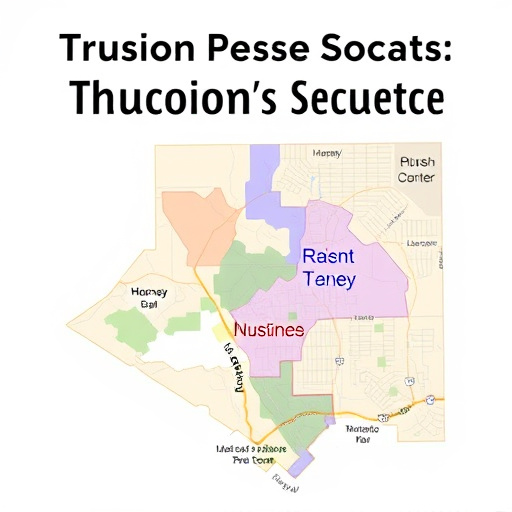
Tucson's residential zoning maps are vital tools for navigating its diverse neighborhoods and guiding Tucson Real Estate decisions. They define zones with specific regulations on land use, building types, and density, influencing property values and development potential. By categorizing areas into low, medium, and high-density districts, these maps preserve neighborhood character, promote sustainable growth, and empower residents to advocate for their communities. Understanding zoning regulations is crucial for strategic Tucson Real Estate investments and development projects.
Tucson Real Estate development is a delicate balance between urban growth and neighborhood character. Residential zoning maps play a pivotal role in this equilibrium, defining the boundaries of each neighborhood’s development potential. However, navigating these complex regulations can be challenging for both developers and residents. This article delves into the intricate world of Tucson residential zoning maps, offering a comprehensive guide to understanding their significance, addressing common challenges, and ultimately fostering informed decision-making in the dynamic landscape of Tucson Real Estate.
- Understanding Tucson's Residential Zoning Maps
- Defining Neighborhood Boundaries in Tucson Real Estate
- Navigating Zoning Regulations for Developers
- The Impact on Property Values and Community Development
- Case Studies: Successful Neighborhood Zone Implementations
Understanding Tucson's Residential Zoning Maps
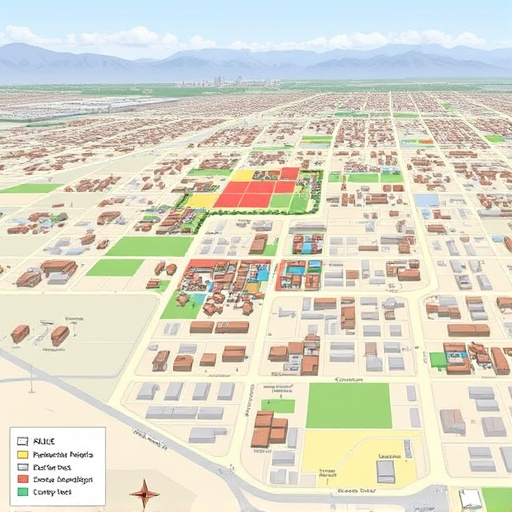
Tucson’s residential zoning maps are vital tools for understanding and navigating the city’s unique landscape of neighborhood development. These maps delineate the boundaries of various zones, each with specific regulations governing land use, building types, and density. By examining these maps, potential homebuyers, investors, and developers can gain valuable insights into Tucson Real Estate dynamics and make informed decisions. For instance, areas like the historic downtown core are typically zoned for mixed-use development, encouraging a blend of residential, commercial, and retail spaces. Conversely, more suburban neighborhoods might be designated for single-family homes only, with strict rules about lot sizes and building designs.
Zoning regulations in Tucson are designed to preserve the character of each neighborhood while promoting sustainable growth. Maps often show distinct zones for low-density residential areas, medium-density neighborhoods, and high-density districts. This categorization ensures that development aligns with the surrounding community’s needs and preferences. For example, a zone labeled “Residential Low Density” might feature smaller homes on generous plots, fostering a quiet, suburban atmosphere. In contrast, a “High-Density Residential” area could accommodate larger apartment complexes or mixed-use developments, catering to a more urban lifestyle. Understanding these zones is crucial for buyers seeking specific amenities or wishing to adhere to zoning rules when considering property investments.
Expert analysts recommend that individuals involved in Tucson Real Estate take the time to study these maps thoroughly. This process allows them to identify desirable locations, anticipate potential restrictions, and make strategic decisions. For instance, a family looking to build their dream home could use the maps to find an area that aligns with their vision while adhering to zoning guidelines. Similarly, developers can assess the feasibility of projects by comparing proposed designs against existing zone regulations. By embracing this detailed approach, individuals can ensure that their Tucson Real Estate ventures are not only profitable but also contribute positively to the city’s evolving landscape.
Defining Neighborhood Boundaries in Tucson Real Estate
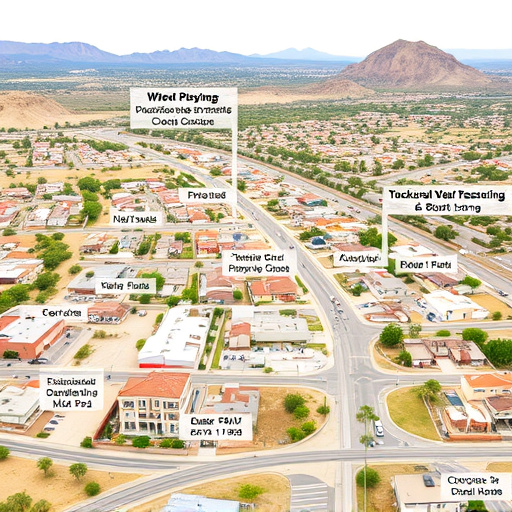
Tucson’s residential zoning maps are instrumental in shaping the city’s landscape, particularly when it comes to defining neighborhood boundaries within Tucson Real Estate. These maps serve as a crucial guide for developers, architects, and prospective homeowners alike, outlining areas suitable for specific types of development, from single-family dwellings to mixed-use commercial spaces. Understanding these zoning regulations is paramount for anyone navigating the real estate market in Tucson, as it significantly influences property values, building design, and community character.
The city’s zoning ordinance categorizes areas into diverse districts, each with its own set of restrictions and allowances. For instance, residential zones are further subdivided based on density, allowing for a range of housing options—from low-density neighborhoods with single-family homes to higher-density areas accommodating apartment complexes. These classifications ensure that development aligns with the desired character of each neighborhood, preserving the unique charm of Tucson’s diverse communities. By adhering to these zoning maps, builders and developers contribute to the sustainable growth and preservation of Tucson Real Estate.
Tucson residents can leverage this knowledge when considering property purchases or renovations. Referencing the zoning maps, individuals can determine the potential for expansion, accessory structures, or changes in land use. For example, a homeowner looking to add a guest house might discover that their neighborhood allows such additions, enhancing their property’s value and utility within Tucson Real Estate. Moreover, understanding these boundaries empowers residents to advocate for their community’s unique character and preserve its integrity as the city continues to grow and evolve.
Navigating Zoning Regulations for Developers
Tucson’s residential zoning maps play a pivotal role in shaping the city’s landscape, dictating where development can occur and how it should be structured. For developers navigating Tucson Real Estate, understanding these regulations is not just advisable—it’s essential for successful projects. Zoning laws are designed to maintain the character of neighborhoods, ensure safety, and optimize land use. In Tucson, these maps divide the city into various zones, each with its own set of rules regarding building height, density, and permitted uses.
Navigating these regulations requires a deep dive into local ordinances, which can be complex and labyrinthine. Developers must meticulously plan their projects to adhere to specific requirements for each zone. For instance, in residential areas like many of Tucson’s established neighborhoods, zoning maps typically restrict commercial developments, preserving the area for single-family homes. In contrast, industrial zones allow for larger buildings and heavier traffic, reflecting the nature of manufacturing or distribution activities. Understanding these nuances is critical; non-compliance can lead to project delays, legal issues, and financial losses.
Expert developers in Tucson often collaborate with urban planners and architects who are well-versed in zoning laws. They utilize tools like site analysis and 3D modeling to visualize potential projects within the constraints of existing maps. Staying informed about changes in zoning regulations is also vital. Tucson’s landscape evolves, and updates to these maps can significantly impact development opportunities. Regularly reviewing data from local government sources ensures developers are aware of emerging trends and can strategically position their ventures, capitalizing on new possibilities while respecting established communities.
The Impact on Property Values and Community Development
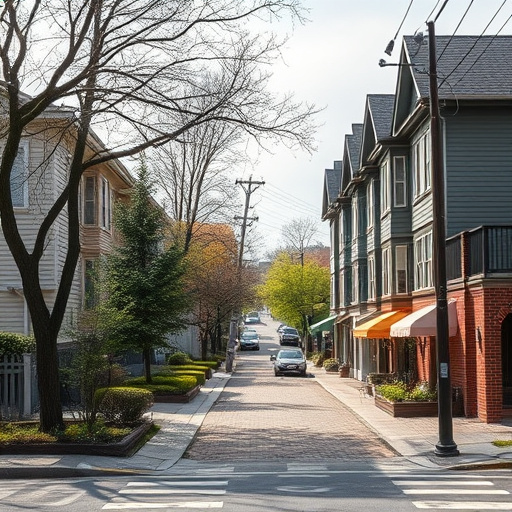
Tucson’s residential zoning maps play a pivotal role in shaping not just the physical layout of neighborhoods but also have a profound impact on property values and community development. These maps, meticulously designed, divide the city into zones that dictate the types of buildings and uses permitted within specific areas. In essence, they guide the growth and character of Tucson’s diverse communities. The effect on real estate is significant; proximity to certain zones can influence property values dramatically. For instance, residential areas zoned for higher-density housing might see increased values due to their accessibility and convenience, attracting investors and home buyers alike. Conversely, single-family zoning regulations can enhance the desirability of quieter, more suburban neighborhoods, driving up prices there.
Community development is intricately linked to these maps. Zoning policies influence the mix of residential, commercial, and industrial spaces, fostering distinct micro-communities. Areas with a balanced zoning might witness vibrant local economies as businesses cater to nearby residents. This symbiotic relationship between zoning and development can lead to thriving, well-integrated neighborhoods. Moreover, experts in Tucson real estate suggest that proactive community engagement during the mapping process is crucial. Residents can voice their concerns and aspirations, ensuring that zoning decisions align with the desired character of their neighborhood.
Over time, as Tucson continues to evolve, the flexibility and adaptability of these zoning maps will be key to managing growth sustainably. Regular reviews and updates, coupled with a deep understanding of local dynamics, allow for the creation of dynamic zones that support both established and emerging communities. This strategic approach ensures that Tucson’s residential areas remain desirable and sustainable, attracting new residents while preserving the unique character that makes each neighborhood special.
Case Studies: Successful Neighborhood Zone Implementations

Tucson’s residential zoning maps play a pivotal role in shaping the city’s landscape, defining where development can occur and preserving the character of established neighborhoods. This strategic planning tool has proven instrumental in fostering a balanced and sustainable growth pattern for Tucson Real Estate. Successful implementations of neighborhood zone regulations offer valuable insights into effective urban design and community engagement.
One notable case study is the historic downtown area, where strict zoning guidelines have revitalized old neighborhoods. By limiting high-rise developments and promoting mixed-use zones, the city has preserved the area’s charming architecture and vibrant street life. This approach has attracted a diverse range of residents and businesses, contributing to Tucson Real Estate’s appeal as a desirable urban living destination. Data from recent surveys show significant increases in property values and tenant satisfaction within these designated zones.
Furthermore, the success of Tucson’s zoning efforts is evident in the surrounding suburban communities. Implementing well-defined residential zones has led to more organized and aesthetically pleasing neighborhoods. For instance, the North Side neighborhood has benefited from targeted zone regulations that encourage infill development while preserving open spaces. This strategy has resulted in a more livable environment, attracting young professionals and families seeking quality Tucson Real Estate options within established communities. By learning from these successful case studies, urban planners can devise innovative zoning strategies to meet the evolving needs of the city and its residents.
Tucson’s residential zoning maps play a pivotal role in shaping the city’s landscape, defining neighborhood boundaries, and guiding development. This article has delved into the intricacies of these maps, offering insights into their functionality across various sectors. For developers, understanding zoning regulations is crucial for navigating Tucson Real Estate, ensuring compliance, and contributing to well-planned communities. The case studies highlighted successful implementations, demonstrating that strategic zone design can enhance property values and foster vibrant, sustainable neighborhoods. Moving forward, embracing a collaborative approach involving stakeholders and professionals will be key to continuing Tucson’s progression in managing growth while preserving its unique character through effective zoning practices in Tucson Real Estate.