
Tucson's residential zoning maps are strategic tools guiding Tucson Real Estate development, influencing property values, and shaping neighborhood characters. Interactive digital maps on the official website offer detailed insights to residents and investors, enabling informed decisions about renovations, additions, and investments. Zoning regulations balance growth with preservation of unique neighborhoods and natural amenities, with updates reflecting urban planning trends and community needs, ensuring responsible development and elevated property values.
Tucson Real Estate development is shaped by residential zoning maps, which define neighborhood boundaries and impact property values. However, navigating these maps can be complex, often leaving homeowners and investors confused about eligible land uses and development potential. This article provides an authoritative guide to Tucson’s residential zoning maps, clarifying their purpose and complexity. We’ll explore how these maps influence local neighborhoods, property rights, and the overall urban landscape. By demystifying this crucial aspect of Tucson Real Estate, we empower stakeholders to make informed decisions regarding land use and development within established boundaries.
- Understanding Tucson's Residential Zoning Maps
- The Impact on Tucson Real Estate Values
- Mapping Neighborhood Boundaries: A Step-by-Step Guide
- Legal Considerations and Building Permits in Tucson
- Community Development: Shaping Tucson's Future
Understanding Tucson's Residential Zoning Maps

Tucson’s residential zoning maps are a critical component of the city’s urban planning framework, dictating how neighborhoods evolve and shaping the Tucson real estate market. These maps delineate specific areas for residential development, influencing everything from property values to community character. Understanding this system is crucial for both residents looking to build or expand their homes as well as investors navigating Tucson’s diverse property landscape.
The zoning regulations in Tucson are designed to balance the need for orderly growth with preserving the city’s unique neighborhoods and natural amenities. For instance, certain areas may be designated for single-family homes, setting guidelines on lot size, building density, and permitted uses. Other zones might accommodate multi-family residences or mixed-use developments, each with its own set of restrictions and benefits. By examining these maps, residents can gauge the potential for property development, while investors can identify areas ripe for revitalization or expansion.
Practical insights into Tucson’s zoning maps can be gained through the city’s official website, where detailed interactive maps are available. These tools allow users to explore different zones, understand specific regulations, and even visualize future development plans. For example, a prospective buyer might discover that their dream property lies within an area zoned for higher-density residential use, opening up opportunities for renovations or additions that could enhance both the home’s value and its fit with the neighborhood. By staying informed about zoning changes and their implications, Tucson real estate enthusiasts can make more informed decisions, ensuring their investments align with the evolving cityscape.
The Impact on Tucson Real Estate Values

Tucson’s residential zoning maps play a pivotal role in shaping the city’s landscape and have a profound impact on the local real estate market. These maps delineate specific areas for residential development, influencing property values across different neighborhoods. The zoning regulations govern factors such as lot size, building density, and permitted uses, which collectively affect the desirability and affordability of Tucson Real Estate. For instance, areas with more relaxed zoning laws might see higher densities and a mix of housing types, potentially attracting buyers seeking diverse options but also leading to increased competition.
In certain zones, the availability of space for expansion or additional dwellings can significantly enhance property values. Conversely, restrictive zoning rules in desirable neighborhoods often create a premium on land, driving up real estate costs. Investors and homeowners alike must consider these maps when making decisions about purchasing or developing properties. Understanding the specific zoning designation of a neighborhood provides valuable insights into potential future growth areas, allowing for informed investments and strategic planning.
Moreover, Tucson’s evolving urban planning strategies have led to dynamic changes in zoning regulations. As the city navigates its growth, these maps are regularly updated to reflect emerging trends and community needs. Developers and real estate professionals stay abreast of such changes to capitalize on emerging opportunities or anticipate market shifts. By staying aligned with zoning guidelines, residents can ensure their properties remain compliant and maintain or increase their value over time.
Mapping Neighborhood Boundaries: A Step-by-Step Guide

Tucson’s residential zoning maps serve as a crucial guide for neighborhood development, dictating land use and property boundaries within the city. Mapping neighborhood boundaries is a meticulous process, ensuring each area adheres to specific zoning regulations. This step-by-step guide delves into the intricacies of this procedure, offering valuable insights for both developers and those interested in Tucson real estate.
The initial phase involves thorough research and analysis of existing maps and data. City planners examine historical records, current land use plans, and demographic information to understand the area’s context. For instance, identifying nearby commercial zones, industrial areas, or residential neighborhoods with unique characteristics is essential. This step ensures that new development aligns with the surrounding environment, fostering a harmonious Tucson real estate market. Planners may utilize advanced GIS (Geographic Information System) software to overlay various data layers, creating a comprehensive digital map of the study area.
Next, engaging stakeholders and holding community meetings becomes paramount. Developers, architects, and residents meet to discuss proposed boundaries and address concerns. This collaborative approach allows for valuable input, ensuring the maps reflect the community’s needs and aspirations. For example, a neighborhood association might advocate for preserving certain green spaces or limiting development density. By considering these factors, the mapping process evolves from a technical exercise to a democratic endeavor, fostering a sense of ownership among Tucson residents.
Legal Considerations and Building Permits in Tucson
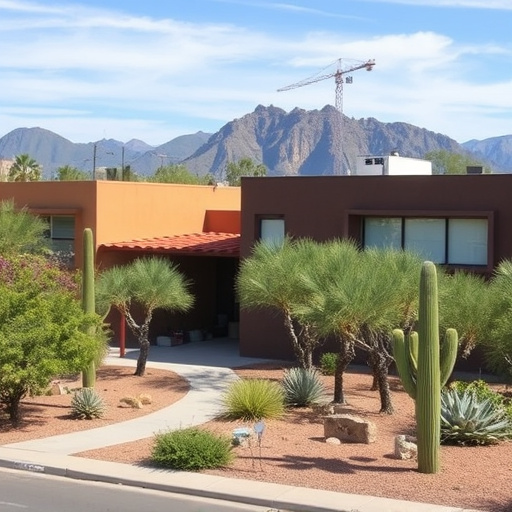
Tucson’s residential zoning maps play a pivotal role in shaping the city’s landscape and its real estate market. These maps delineate specific areas for development, influencing how properties can be utilized and structures built. From a legal standpoint, understanding zoning regulations is paramount for both homeowners and developers. Tucson Real Estate operates within a framework governed by local, state, and federal laws, ensuring fair practices and community control over urban growth.
Navigating the legal considerations surrounding building permits in Tucson requires a deep dive into these zoning maps. Each neighborhood has its unique set of rules regarding lot sizes, building heights, density, and permitted uses. For instance, certain areas may permit single-family dwellings with specific design guidelines, while others might encourage mixed-use development. Compliance with these regulations is not just a legal obligation but also ensures that new constructions enhance, rather than disrupt, the established character of Tucson’s diverse communities. Developers must acquire the necessary permits to avoid legal repercussions and potential project delays.
The process involves submitting detailed plans to local authorities who scrutinize them against the zoning map and relevant codes. Permits are then issued or denied based on these evaluations. Homeowners seeking renovations or additions should consult these maps to understand what modifications are allowed without extensive permitting. Understanding Tucson’s zoning regulations empowers residents and developers alike to make informed decisions, contribute to the city’s growth in a responsible manner, and ultimately elevate the value and appeal of Tucson Real Estate.
Community Development: Shaping Tucson's Future
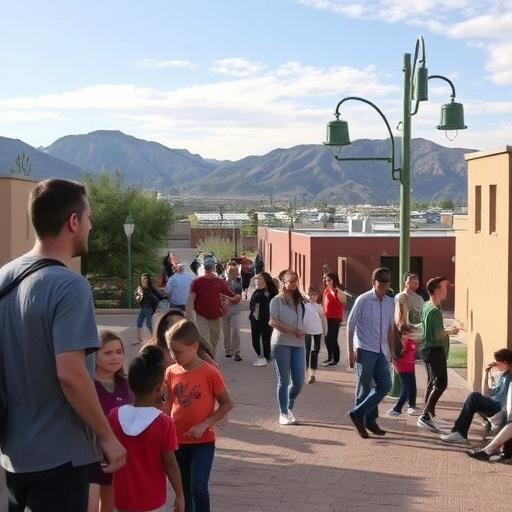
Tucson’s residential zoning maps serve as a cornerstone for community development, meticulously outlining the boundaries of neighborhoods and guiding the future growth of the city. These maps are not merely aesthetic; they hold significant power in shaping the character and infrastructure of Tucson Real Estate. Each zone is crafted to accommodate specific land uses, ensuring a balanced mix of residential, commercial, and industrial areas that contribute to a thriving urban environment. For instance, single-family homes often dominate suburban zones, while mixed-use districts in downtown Tucson blend residential with retail and office spaces, fostering a vibrant city center.
Expert planners and developers view these maps as strategic tools for sustainable development. By adhering to zoning regulations, Tucson can mitigate issues like overcrowding and preserve the natural landscape surrounding residential areas. This approach allows for well-planned communities where residents enjoy peaceful surroundings while still benefiting from convenient access to urban amenities. For instance, the city’s recent rezoning efforts have led to the emergence of eco-friendly neighborhoods with enhanced green spaces and efficient public transportation options.
Community engagement plays a vital role in Tucson’s zoning process. Local residents, business owners, and stakeholders actively participate in discussions, ensuring that development plans align with the community’s needs and aspirations. This collaborative approach results in more harmonious and desirable neighborhoods. Going forward, as Tucson continues to grow, regularly updating zoning maps to accommodate changing demographics and economic trends will be crucial. By embracing innovative designs and sustainable practices, the city can enhance its appeal to prospective residents and investors alike, solidifying Tucson’s reputation as a model for smart growth and vibrant community development.
Tucson’s residential zoning maps play a pivotal role in shaping the city’s landscape and its Tucson Real Estate market. By understanding these maps, residents and investors can navigate the legal considerations and building permits essential for any development. The article has provided a comprehensive guide, from recognizing neighborhood boundaries to exploring community development initiatives. Key insights reveal that effective zoning contributes to stable real estate values and guides the future growth of Tucson, offering a structured approach to foster vibrant communities while maintaining the city’s unique character. Practical steps include consulting local authorities for detailed maps and staying informed about zoning regulations, ensuring compliance and maximizing opportunities in the dynamic Tucson Real Estate market.