
Tucson Real Estate faces a growing senior population, projected to reach 25% aged 65+ by 2050. This presents opportunities for assisted living facilities focusing on amenities like fitness centers and outdoor spaces, while maintaining secure yet inviting designs. Strategic zoning, collaboration between developers and urban planners, early stakeholder engagement, and green spaces are key. Mixed-use developments integrating senior living with retail or amenities revitalize urban areas and address housing needs. Tucson Real Estate should leverage market trends, demographic data, and zoning regulations to meet evolving community demands for accessible, integrated senior living.
As the senior population grows exponentially, particularly in vibrant cities like Tucson Real Estate, the demand for assisted living facilities is on the rise. However, traditional zoning laws often fail to keep pace with these demographic shifts, leading to a mismatch between housing needs and available resources. This article delves into the critical issue of assisted living facility zoning, examining current challenges and proposing innovative solutions tailored to Tucson’s unique context. By exploring alternative zoning strategies, we aim to ensure that our city can accommodate its aging population in a manner that enhances quality of life and fosters inclusive communities.
- Understanding Tucson's Senior Demographics: Projecting Needs
- Assisted Living Zoning: A Strategic Overview for Tucson Real Estate
- Planning for Growth: Challenges and Opportunities in Senior Care
- Evaluating Facility Locations: Factors Shaping Tucson's Landscape
- Legal Framework: Regulations and Permitting for Assisted Living
- Community Integration: Designing Facilities for Optimal Senior Well-being
Understanding Tucson's Senior Demographics: Projecting Needs

Tucson, Arizona, with its vibrant culture and mild climate, has long been a desirable destination for retirees and seniors. Understanding the city’s senior demographics is crucial when considering the future of assisted living facilities. Recent projections indicate a significant growth in Tucson’s aging population, underscoring the need for strategic planning to meet these residents’ unique requirements. According to the U.S. Census Bureau, Arizona is expected to have one of the highest rates of population aging by 2030, with Tucson leading the way among its metropolitan areas.
The city’s demographic shift presents both opportunities and challenges for real estate developers and healthcare providers. By 2050, it is projected that over a quarter of Tucson’s residents will be aged 65 or older. This rapid aging could strain existing healthcare services and housing options tailored to senior citizens. As such, assisted living facilities must adapt to accommodate this changing demographic, ensuring they remain viable and appealing choices for the future. For instance, developers might consider focusing on amenities that cater to active seniors, such as fitness centers, social spaces, and outdoor areas, given Tucson’s naturally conducive environment for outdoor activities.
Moreover, understanding the preferences and needs of potential residents is essential. Many seniors seek independent living environments that offer assistance when needed but preserve their autonomy. Facility design should reflect these desires, incorporating secure yet inviting spaces that encourage a sense of community and belonging. By proactively addressing these demographic projections, Tucson’s assisted living industry can position itself to thrive, ensuring that its real estate remains attractive and adaptable to the evolving needs of its aging population.
Assisted Living Zoning: A Strategic Overview for Tucson Real Estate

Tucson Real Estate faces a significant challenge and opportunity in the form of an aging population and growing demand for assisted living facilities. According to recent projections, the number of seniors is expected to increase substantially in the coming decades, presenting both a need for specialized housing and a strategic chance for development. Assisted living zoning plays a crucial role in addressing this demographic shift, ensuring that Tucson Real Estate adapts to meet the changing demands of its residents.
The strategic overview of assisted living zoning involves careful consideration of factors such as population density, infrastructure capacity, and existing land use plans. Developers and urban planners must work collaboratively to identify suitable locations for these facilities, taking into account accessibility, proximity to healthcare services, and community amenities. For instance, Tucson could benefit from concentrated development in areas with established transportation networks, ensuring easy access for both residents and staff. This approach not only facilitates efficient service delivery but also fosters a sense of community among the elderly population.
Practical insights suggest that engaging stakeholders early in the planning process is vital. Local governments, health authorities, and senior advocacy groups can provide invaluable input on meeting the unique needs of this demographic. Additionally, incorporating green spaces and communal areas within assisted living complexes can enhance their appeal, addressing not only accommodation but also the overall quality of life for seniors. By adopting a forward-thinking approach, Tucson Real Estate can position itself to cater to an expanding market while promoting sustainable and inclusive community development.
Planning for Growth: Challenges and Opportunities in Senior Care

As the senior demographic continues to grow at a rapid pace, particularly in vibrant cities like Tucson, the demand for assisted living facilities has never been higher. Planning for growth in senior care presents both challenges and opportunities, especially when considering the intricate interplay between zoning regulations and real estate development. Tucson Real Estate, known for its diverse landscape and thriving community, offers valuable insights into navigating these complexities.
One of the primary challenges lies in accommodating the expanding population while ensuring adequate planning. Zoning laws, traditionally focused on residential areas, may need adjustments to incorporate senior living communities seamlessly. Experts suggest that updating zoning ordinances to accommodate mixed-use developments, where assisted living facilities coexist with retail or other amenities, can foster more inclusive and convenient neighborhoods for seniors. Tucson has seen success in this approach, with several new projects integrating housing, healthcare, and community services, creating vibrant, age-diverse neighborhoods.
Opportunities arise when municipalities embrace innovative solutions. For instance, redeveloping underutilized commercial spaces or vacant lots into senior living complexes can be a strategic move. This strategy not only addresses the housing crisis but also revitalizes urban areas. Additionally, partnerships between developers and local authorities can lead to more efficient land allocation and cost-effective infrastructure development. By leveraging market trends and demographic data, as demonstrated in recent studies on Tucson’s growing senior population, developers can make informed decisions, ensuring that new assisted living facilities meet the evolving needs of the community.
Evaluating Facility Locations: Factors Shaping Tucson's Landscape
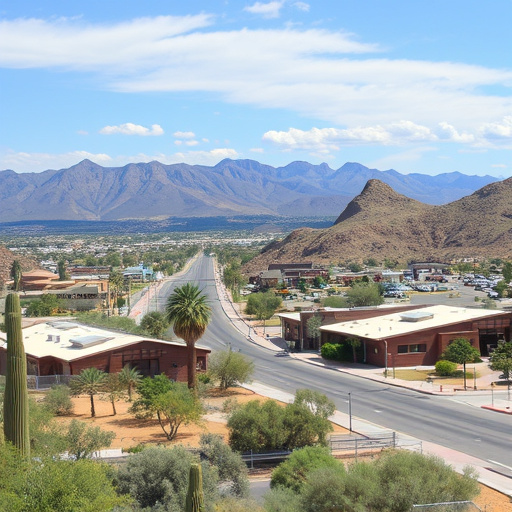
Tucson’s assisted living facility zoning is a strategic endeavor, closely tied to understanding and addressing the city’s evolving senior demographic landscape. As the population ages, facilities must be strategically located to ensure accessibility and meet the diverse needs of seniors. Key factors shaping Tucson’s assisted living landscape include the distribution and growth of its senior population, proximity to healthcare services, transportation infrastructure, and integration with the broader community.
For instance, analyzing data from the U.S. Census Bureau reveals that Pima County, where Tucson is located, has seen a steady increase in residents aged 65 and over, projected to reach nearly 20% of the total population by 2030. This growth demands a corresponding expansion and strategic distribution of assisted living facilities. Ideal locations would balance the proximity to healthcare hubs like the University of Arizona Medical Center with access to major transportation arteries for easy mobility.
Tucson Real Estate plays a pivotal role in this equation. Facilities situated near public transit stops or within walkable communities can enhance accessibility for seniors, aligning with modern trends in aging-in-place. For example, developing assisted living options along established bus routes or adjacent to light rail stations could cater to the growing number of mobility-impaired seniors while promoting independence. Expert advice suggests that developers should also consider mixed-use developments, integrating retail and residential spaces to foster social engagement and a vibrant community atmosphere among Tucson’s aging population.
Legal Framework: Regulations and Permitting for Assisted Living

The legal framework governing assisted living facilities (ALFs) is a complex web of state and local regulations, with Tucson Real Estate at the heart of these considerations. As the senior demographic in Arizona continues to grow—projected to increase by 25% by 2030—the demand for ALF accommodations will rise accordingly. This growth presents both opportunities and challenges, particularly in terms of zoning and permitting.
In Tucson, ALFs are regulated by the City’s Zoning Code, which categorizes land use into specific zones to ensure harmonious development. To establish an ALF, developers must adhere to strict guidelines related to site selection, facility design, and operational practices. The permitting process involves multiple steps, including obtaining a zoning permit, building permits, and health department approvals. For instance, a recent study revealed that the average time to secure permits for new ALFs in Tucson ranged from 6-8 months, highlighting the meticulous nature of the approval process.
Experts emphasize the importance of proactive planning. Developers should conduct thorough market analyses to identify suitable locations, assess local zoning regulations, and engage with community stakeholders early on. Collaborating with experienced real estate professionals who specialize in senior housing can navigate the regulatory landscape effectively. By understanding the legal framework and anticipating potential hurdles, developers can ensure a smoother path to constructing much-needed ALFs, ultimately contributing to the well-being of Tucson’s aging population.
Community Integration: Designing Facilities for Optimal Senior Well-being

Tucson’s senior demographic is projected to grow significantly in the coming years, underscoring the critical need for well-designed assisted living facilities that prioritize community integration for optimal senior well-being. As Tucson Real Estate becomes increasingly sought after, smart zoning strategies must be implemented to ensure these facilities are accessible and enhance local quality of life. A successful model incorporates residential neighborhoods seamlessly into the fabric of existing communities, promoting social interaction and easy access to essential services.
For instance, a recent study by the University of Arizona found that seniors living in integrated settings reported higher levels of satisfaction and mental health compared to those in isolated facilities. This is particularly relevant for Tucson, known for its vibrant neighborhood culture. Developers should collaborate with local urban planners to create mixed-use developments that blend assisted living units with retail spaces and green spaces. Such an approach fosters a sense of community and reduces social isolation, two key factors contributing to senior happiness and health.
Practical insights from experts suggest focusing on pedestrian-friendly design, utilizing open spaces for community gatherings, and integrating technology to facilitate connections. For example, smart home technologies can enable seniors to stay connected with family and friends while promoting independence. Additionally, incorporating amenities like community gardens or intergenerational play areas can strengthen social bonds within the facility and with the surrounding neighborhood. By implementing these strategies, Tucson can set a benchmark for senior living that emphasizes integration, accessibility, and overall well-being.
The article offers a comprehensive guide to assisted living facility zoning, tailored to Tucson Real Estate’s unique context, as it navigates aging population trends. Key insights reveal the strategic importance of planning for senior care needs through thoughtful zoning policies. Understanding Tucson’s demographic shifts projects a growing demand for assisted living, underscoring the urgency for developers and policymakers to collaborate effectively. The strategic overview provided offers a roadmap for optimizing land use, addressing challenges like facility location considerations and legal regulations. By integrating community engagement and designing facilities with seniors’ well-being in mind, Tucson Real Estate can create vibrant, accessible environments that cater to this vital demographic, ensuring a sustainable and high-quality future for all.