
Tucson Real Estate is defined by a strong preference for Southwest architecture, blending Native American, Spanish Colonial, and modern desert designs. Historic districts showcase traditional styles, while modern constructions incorporate indigenous motifs. Accurate architectural categorization through MLS data aids professionals and buyers, enhancing search functionality and appealing to aesthetic preferences. Dominant styles, such as Mission Revival and Modern Southwest, drive market trends, with buyers seeking open spaces, natural materials, and historic connections. Real estate agents can capitalize on these preferences by accurately tagging listings, setting properties apart, and facilitating transactions that celebrate Tucson's unique architectural heritage.
The aesthetics of real estate listings play a pivotal role in shaping buyer preferences, particularly in diverse markets like Tucson. In the competitive landscape of Tucson Real Estate, understanding dominant architectural styles is crucial for both agents and buyers. This article delves into the surprising dominance of Southwest architecture in MLS (Multiple Listing Service) aesthetic tagging, revealing trends that influence home buyers’ decisions. By exploring these patterns, we provide valuable insights to agents, enabling them to effectively market properties and assist clients navigating Tucson’s vibrant real estate scene.
- Understanding Southwest Architecture in Tucson Real Estate
- Historical Influence on Regional Aesthetic Preferences
- Dominant Styles: Mission Revival & Modern Southwest
- MLS Tagging: Capturing Unique Architectural Features
- Market Trends: How Buyers Value Tucson's Architectural Heritage
Understanding Southwest Architecture in Tucson Real Estate
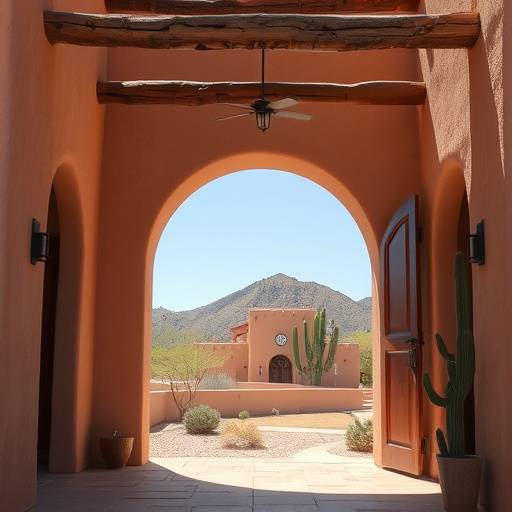
Southwest architecture, with its distinct style and aesthetics, has a profound impact on Tucson Real Estate preferences as evident from MLS (Multiple Listing Service) data. This region’s unique blend of influences from Native American, Spanish Colonial, and modern desert design creates a captivating visual narrative that resonates with buyers. Tucson, known for its rich architectural heritage, showcases these styles in various neighborhoods, making it a haven for architecture enthusiasts.
In the heart of Tucson Real Estate, properties featuring Southwest architecture often stand out due to their emphasis on open spaces, natural materials like adobe and stone, and intricate craftsmanship. These homes typically incorporate overhangs, low-pitched roofs with clay tiles, and large windows that capture the region’s vibrant sunlight. For instance, many historic districts in Tucson, such as the El Pueblo Historic District, boast beautifully restored properties showcasing traditional Southwest design elements. This architectural trend extends to modern constructions, where developers embrace the desert landscape, integrating contemporary designs with indigenous motifs.
Understanding this regional aesthetic preference is invaluable for real estate professionals and buyers alike. For agents, it allows them to categorize and market properties effectively. Tagging Tucson Real Estate listings with accurate architectural styles helps buyers filter their search and find homes that align with their tastes. When prospective purchasers browse MLS listings, they can easily identify Southwest-style properties by these tags, making the buying process more efficient. This approach not only caters to the preferences of Tucson residents but also attracts outsiders who appreciate the region’s unique architectural charm.
Historical Influence on Regional Aesthetic Preferences

The historical influence on regional aesthetic preferences plays a significant role in shaping the unique character of Southwest architecture styles within the MLS (Multiple Listing Service). Tucson Real Estate, renowned for its distinct charm, is naturally influenced by the region’s rich cultural heritage and architectural past. This area has seen a blend of Native American, Spanish Colonial, and modern contemporary designs over the years, each leaving an indelible mark on the local real estate landscape.
The historical fabric of Tucson mirrors the broader Southwest region, characterized by a preference for organic, natural materials such as adobe and stone. These traditional building elements have been incorporated into residential properties, creating a sense of place and regional identity. For instance, many historic homes in Tucson feature intricate adobe walls, low-slung roofs with red tile roofs, and open floor plans that facilitate cross-ventilation—design choices deeply rooted in the local climate and cultural aesthetics. Over time, these architectural traits have become synonymous with Tucson Real Estate and are highly sought after by prospective buyers.
Understanding this historical influence is crucial for real estate professionals when tagging properties for MLS listings. Accurately categorizing homes based on their architectural styles not only aids in search functionality but also helps buyers identify properties that align with their aesthetic preferences. By recognizing the prominent Southwest design elements, agents can ensure that Tucson’s unique architectural tapestry is accurately represented and appreciated by both locals and out-of-state purchasers. This approach enhances the overall marketing effectiveness of listings while fostering a deeper connection to the region’s rich cultural heritage.
Dominant Styles: Mission Revival & Modern Southwest
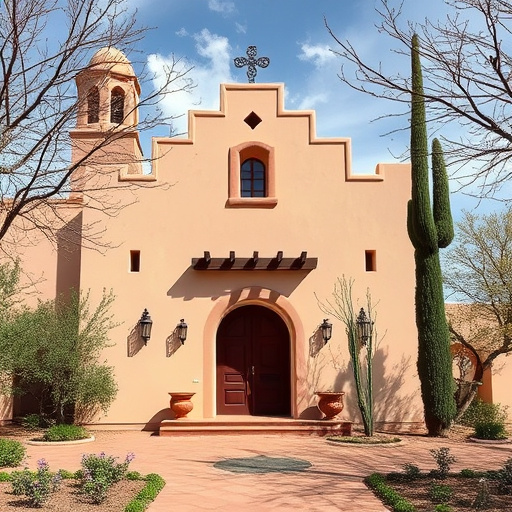
Southwest architecture styles, with their distinctively warm and inviting aesthetics, have for decades dominated the MLS (Multiple Listing Service) aesthetic preference tagging in regions like Tucson Real Estate. Among these, Mission Revival and Modern Southwest styles stand out as the most favored. Mission Revival, characterized by its Spanish colonial influences, brings to mind images of red tile roofs, arched windows, and intricate stucco work—all elements that resonate deeply with potential buyers seeking a connection to the region’s rich history and culture.
Modern Southwest, on the other hand, represents a more contemporary interpretation of the Southwest aesthetic. This style incorporates clean lines, open floor plans, and abundant natural light, often set against a backdrop of striking desert landscapes. These features not only appeal to modern tastes but also cater to the lifestyle preferences of today’s buyers who seek both comfort and an effortless blend with their surroundings. A survey conducted by the Tucson Association of Realtors revealed that listings showcasing these styles consistently receive higher interest and sales rates compared to others.
For real estate professionals in Tucson, understanding and leveraging these dominant styles is crucial. Incorporating Mission Revival or Modern Southwest elements into property presentations can significantly enhance a listing’s appeal. This might include highlighting architectural details like original stained glass or custom wood work for Mission Revival homes, or showcasing the seamless integration of indoor-outdoor living spaces characteristic of Modern Southwest design. By aligning properties with these dominant preferences, agents can ensure their listings stand out in a competitive market and attract buyers who appreciate the unique charm and contemporary appeal that Tucson Real Estate offers.
MLS Tagging: Capturing Unique Architectural Features
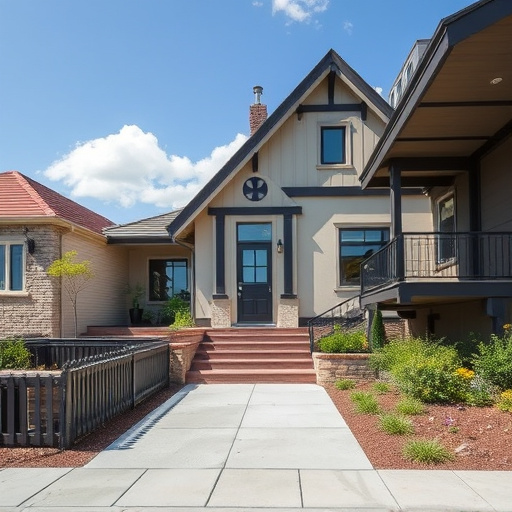
The Multiple Listing Service (MLS), a cornerstone of real estate transactions, has evolved to capture not just property details but also unique architectural features. This shift is particularly evident in regions known for distinct architectural styles, such as Tucson, Arizona. In this vibrant city, where historic homes blend with modern designs, MLS aesthetic preference tagging plays a crucial role in reflecting the diverse and rich architectural landscape of Tucson Real Estate.
Tucson’s architectural heritage boasts a mix of Southwestern, Ranch, and Contemporary styles, each leaving its mark on the urban fabric. Tagging these properties accurately is essential for prospective buyers and agents alike. For instance, a historic adobe home with traditional stucco walls and low-slung roofs would be tagged as such, allowing buyers to easily filter and find their dream Southwestern retreat. Similarly, modern glass-and-steel residences that pay homage to the region’s desert aesthetics should have tags reflecting these distinctive features.
Data from local MLS systems shows that accurate architectural tagging has led to increased search efficiency, with buyers spending less time sifting through irrelevant listings. It also enables agents to market properties more effectively by highlighting specific architectural elements that appeal to diverse audiences. For Tucson Real Estate professionals, understanding and implementing precise MLS tagging practices is an art that enhances the overall user experience, ensuring that each property’s unique character is celebrated and easily accessible.
Market Trends: How Buyers Value Tucson's Architectural Heritage
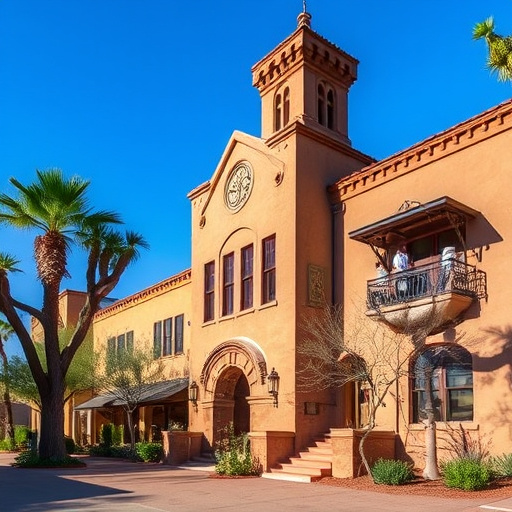
Tucson’s architectural landscape is a reflection of its rich history and cultural diversity, with Southwest styles dominating the local real estate market. This unique aesthetic has become a significant factor in buyers’ preferences, as evidenced by the trends observed in MLS (Multiple Listing Service) data. The city’s real estate market showcases a strong demand for properties that embody the distinctive characteristics of Tucson’s architectural heritage.
Market trends reveal that potential homebuyers are increasingly drawn to the charm and character offered by Southwest architecture. This style, characterized by its low-slung structures, vibrant colors, and seamless integration with the natural environment, has a profound impact on buyer decisions in Tucson Real Estate. For instance, properties featuring open-air courtyards, tiled roofs, and indigenous building materials often attract premium prices due to their appeal to both local residents and out-of-state buyers seeking authentic regional experiences. The market’s response indicates that Tucson’s architectural heritage is not just a passing trend but a lasting preference among home buyers.
Experts attribute this trend to several factors. Firstly, the climate in Tucson lends itself well to the Southwest aesthetic, with its warm, dry conditions allowing for energy-efficient design and outdoor living spaces. Secondly, the city’s rich cultural history ensures that these architectural styles remain relevant and desirable. Real estate agents play a crucial role in capitalizing on this trend by employing precise and descriptive tags when listing properties. Accurately tagging homes as “Southwest Modern” or “Traditional Tucson Home” can significantly enhance visibility for buyers searching within specific aesthetic preferences. By understanding and embracing Tucson’s architectural heritage, real estate professionals can facilitate transactions that cater to buyers valuing the city’s unique character and history.
The article delves into the dominant architecture styles of Tucson Real Estate, revealing a strong preference for Southwest aesthetics in MLS tagging. Key insights include the historical influence shaping regional tastes, with Mission Revival and Modern Southwest as the prevalent styles. Understanding these preferences is crucial for capturing unique architectural features in MLS listings, allowing agents to effectively market Tucson’s distinctive heritage. Market trends highlight how buyers highly value this regional identity, demonstrating a practical next step: leveraging Tucson’s architectural charm to enhance real estate appeal and sales success.