
Southwest Gas Pipeline easements significantly influence Tucson Real Estate development. Balancing infrastructure needs with landowner rights demands strategic planning, legal expertise, and community engagement. Developers must stay informed about regulatory changes, conduct thorough due diligence, and adopt sustainable practices to navigate these challenges successfully, contributing to the region's economic health and quality of life.
In the dynamic landscape of Tucson Real Estate, the modification of Southwest gas pipeline easements significantly impacts parcel development potential. As urban growth demands efficient infrastructure while maintaining residential integrity, understanding these easement changes is crucial for developers, investors, and homeowners alike. This authoritative article delves into the complexities of these adjustments, exploring their implications on property values and development opportunities in Tucson’s ever-evolving market. By providing insightful analysis, we empower stakeholders to navigate this intricate issue effectively.
- Understanding Southwest Gas Pipeline Easements
- Impact on Tucson Real Estate Development
- Legal Considerations and Property Rights
- Navigating Easement Acquisition Process
- Future Growth and Community Engagement
Understanding Southwest Gas Pipeline Easements
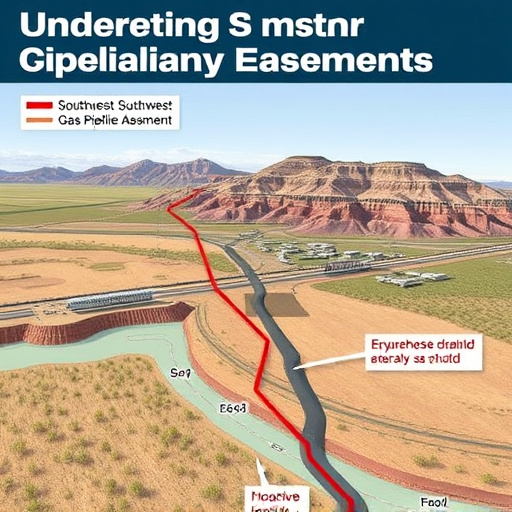
Southwest Gas Pipeline easements play a significant role in shaping the development potential of properties, especially in regions like Tucson Real Estate. These easements, granted by landowners to the pipeline operator, allow for the construction and maintenance of gas transmission lines, ensuring reliable energy infrastructure across vast areas. Understanding these easements is crucial for developers, property owners, and urban planners navigating Tucson’s evolving landscape.
In simple terms, an easement grants a specific right or privilege to access and utilize a portion of a landowner’s property for a defined purpose, in this case, the construction and operation of natural gas pipelines. The Southwest Gas Pipeline, a vital energy corridor, traverses numerous properties, necessitating these agreements to facilitate efficient gas distribution. While easements may limit certain development rights, they also open doors to strategic land use and revenue opportunities for landowners. For instance, in Tucson, where vibrant urban growth meets scenic desert landscapes, developers can find innovative ways to incorporate pipeline infrastructure while enhancing property values through thoughtful design and mixed-use developments.
Expert advice for navigating these easements involves early consultation with legal professionals experienced in real estate law and energy industry regulations. Thorough due diligence ensures landowners understand their rights, obligations, and potential benefits. Additionally, maintaining open lines of communication with the pipeline operator can foster mutually beneficial partnerships. For Tucson Real Estate investors, staying informed about pipeline expansion plans and local zoning regulations is essential for making informed decisions that align with the evolving energy infrastructure landscape.
Impact on Tucson Real Estate Development

The recent modifications to Southwest gas pipeline easements have significant implications for Tucson Real Estate development. These changes, while aimed at facilitating critical infrastructure projects, introduce complexities into the landscape of urban planning and construction within the region. The impact is particularly pronounced in areas like Tucson, known for its vibrant real estate market and diverse property types. For instance, developers previously enjoyed relative freedom in designing residential and commercial spaces without significant constraints. However, with the new easement rules, a delicate balance must be struck to accommodate both the pipeline’s logistical needs and the aspirations of local property owners and investors.
Tucson Real Estate professionals face an evolving environment where project feasibility and community acceptance are more closely intertwined than ever. The practical implications extend to site selection, zoning considerations, and negotiation strategies. Developers must now carefully assess potential construction sites, factoring in the location’s proximity to the pipeline right-of-way, which can limit development opportunities in certain areas. Additionally, engaging in open dialogue with local communities is essential to mitigate concerns and foster support for projects that enhance infrastructure while respecting residential and environmental sensitivities.
To navigate these challenges successfully, Tucson Real Estate stakeholders should stay abreast of regulatory updates, form strategic partnerships with infrastructure providers, and adopt innovative approaches to land use planning. A proactive approach, coupled with a deep understanding of the local market dynamics, can help ensure that development projects not only adhere to new easement guidelines but also contribute positively to the region’s overall economic health and quality of life.
Legal Considerations and Property Rights

The recent modifications to Southwest gas pipeline easements have profound implications for parcel development across Tucson Real Estate. These changes not only impact developers’ plans but also raise significant legal considerations regarding property rights. Easements, by their nature, grant specific rights to use another’s property for a particular purpose, often related to infrastructure like natural gas pipelines. When these easements are altered, it can affect the potential for residential and commercial development, potentially creating legal hurdles and financial implications for landowners.
A key concern lies in the balance between the pipeline company’s right to maintain and expand its infrastructure and the property owner’s rights to use and develop their land. Legal experts emphasize that any modification to easements must comply with state and local laws governing property rights. For instance, in Arizona, landowners have certain protections under the constitution, including just compensation for any takings of private property. Developers and pipeline companies must carefully navigate these legal frameworks to ensure compliance and mitigate potential disputes.
Practical insights suggest that open communication between all parties is essential. Landowners should be actively involved in discussions regarding easement modifications, understanding their rights and potential impacts on their properties. This proactive approach can lead to mutually beneficial agreements and reduce the likelihood of costly legal battles. For Tucson Real Estate developers, a thorough assessment of pipeline easements prior to acquiring property is advisable. By anticipating and addressing these issues early in the development process, they can minimize delays and ensure projects align with both regulatory requirements and landowners’ expectations.
Navigating Easement Acquisition Process

Navigating the easement acquisition process is a complex yet critical step for developers and landowners in Tucson Real Estate. Easements, whether for gas pipelines or other infrastructure, significantly impact parcel development potential. Understanding this intricate process involves grasping legal intricacies, environmental considerations, and community engagement. Effective navigation requires strategic planning, thorough due diligence, and proactive communication with stakeholders.
In Tucson, the acquisition of pipeline easements often involves diverse interests and regulations. Developers must engage in open dialogue with local communities, regulatory agencies, and property owners. Early involvement ensures buy-in and minimizes potential conflicts later. For instance, a recent gas pipeline project required extensive negotiations to secure easements across agricultural land and urban neighborhoods. Successful navigation of this process resulted in minimal disruptions to local businesses and residents while ensuring the project’s timely completion.
Practical insights include employing experienced legal counsel familiar with local regulations and environmental permits. Conducting thorough property assessments and identifying potential impacts on nearby properties is essential. Additionally, developers should anticipate community concerns regarding noise, traffic, and aesthetics. Providing transparent information about the project’s benefits and addressing these concerns proactively can foster cooperation. Using case studies of similar projects in Tucson offers valuable lessons in successful easement acquisition, demonstrating the importance of inclusive planning and community engagement.
Future Growth and Community Engagement

The recent modifications to Southwest gas pipeline easements have significant implications for future growth and parcel development in Tucson Real Estate. These changes, while ensuring critical infrastructure needs are met, also present new challenges and opportunities for community engagement and land use planning. As development pressures increase, particularly along key corridors, it is essential that stakeholders actively participate in shaping the region’s future.
Community engagement plays a pivotal role in balancing the need for critical infrastructure with the potential impacts on local landscapes and communities. In Tucson, where vibrant neighborhoods and diverse ecosystems coexist, open dialogue between pipeline developers, local governments, and residents is crucial. By involving stakeholders early in the planning process, developers can gather valuable insights into community needs and concerns, leading to more informed decision-making. For instance, successful engagement strategies in similar projects have included public meetings, online forums, and targeted outreach to diverse community groups, ensuring that a wide range of perspectives are considered.
Moving forward, Tucson’s real estate market is poised for growth, particularly with the increasing demand for residential and commercial spaces. To harness this potential while mitigating environmental impacts, developers must adopt sustainable practices and embrace innovative design solutions. By integrating green infrastructure and promoting smart growth principles, it is possible to create developments that enhance the local ecosystem and community well-being. This approach not only aligns with regional planning goals but also attracts environmentally conscious buyers and tenants, fostering a thriving Tucson Real Estate market that values both economic viability and ecological stewardship.
The article offers a comprehensive insight into how Southwest gas pipeline easements shape Tucson Real Estate development potential. Key takeaways include the understanding that these easements significantly modify land use planning and property rights, impacting future growth in substantial ways. For developers and investors, navigating the legal considerations and the acquisition process is crucial to capitalize on Tucson’s real estate opportunities while respecting community engagement. Moving forward, a strategic approach that balances infrastructure needs with smart development can drive sustainable growth, ensuring Tucson remains a vibrant hub. Readers gain valuable knowledge about the intricate relationship between pipeline projects, property rights, and urban development, providing them with essential insights for informed decision-making in Tucson Real Estate.