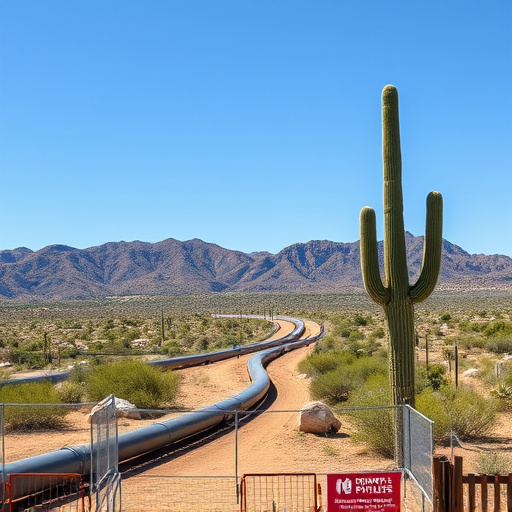
Recent changes to Southwest Gas Pipeline easements significantly impact Tucson Real Estate development, restricting up to 20% of viable building lots. Developers must strategize, adjust plans, and consider vertical integration, mixed-use developments, and dense multi-family housing to balance infrastructure demands and promote sustainable growth. Understanding site-specific easement changes, engaging with local authorities, leveraging data, and incorporating renewable energy or smart city technologies are key for successful projects in Tucson Real Estate.
The impact of infrastructure development on local real estate markets, particularly in vibrant areas like Tucson, is a critical factor shaping urban growth and property values. As the Southwest gas pipeline easements gain traction, they present both opportunities and challenges for parcel development potential across the region. This article delves into the intricate dynamics between these easements and Tucson Real Estate, offering an authoritative analysis that guides developers, investors, and residents navigating this evolving landscape. We explore practical solutions to mitigate disruptions and highlight strategies that maximize the benefits of infrastructure growth, ensuring a harmonious balance between urban progress and local development aspirations.
- Understanding Southwest Gas Pipeline Easements
- Impact on Tucson Real Estate Development
- Navigating Changes for Future Projects
Understanding Southwest Gas Pipeline Easements

Southwest Gas Pipeline easements significantly impact parcel development potential across Tucson Real Estate. These easements, granted for the construction, operation, and maintenance of natural gas pipelines, can cover substantial portions of land, affecting zoning, building design, and infrastructure planning. Understanding these easements is crucial for developers, architects, and property owners navigating the landscape of Tucson’s real estate market.
For instance, a recent pipeline project in the region required easements stretching up to 50 feet wide along major thoroughfares and as little as 10 feet on residential properties for access and maintenance. These easements not only restrict development beneath and adjacent to the pipeline but also necessitate coordination with utilities providers for any future construction or modifications. Data from local planning departments reveals a surge in permit applications requiring pipeline easement adjustments, reflecting the growing demand for infrastructure projects that intersect with existing development.
Experts advise property investors and developers to conduct thorough due diligence, examining available public records and engaging specialists to assess specific easement requirements before pursuing any development plans. Strategic land acquisitions, creative design solutions that integrate pipeline infrastructure, and proactive communication with utilities providers can help mitigate challenges associated with Southwest Gas Pipeline easements. By proactively understanding and addressing these considerations, Tucson Real Estate stakeholders can navigate the complexities of pipeline easements, ensuring sustainable and efficient development across the region.
Impact on Tucson Real Estate Development
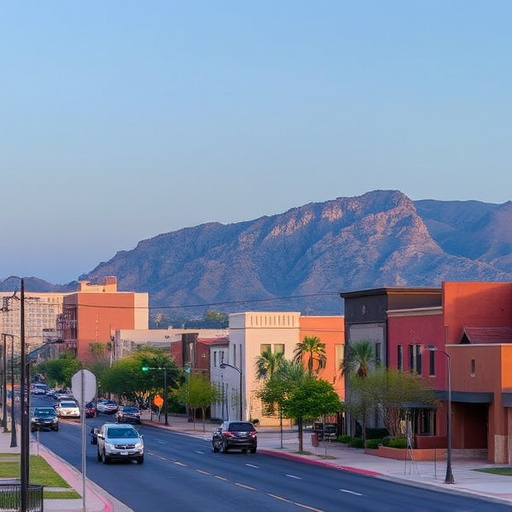
The recent modifications to Southwest gas pipeline easements have profound implications for Tucson Real Estate development. These changes, while aimed at enhancing infrastructure efficiency, significantly alter the landscape of buildable land within the region. In particular, large swaths of previously developable parcels are now subject to restricted access due to the pipeline’s right-of-way. This has led to a reevaluation of development strategies for real estate investors and developers in Tucson.
Tucson Real Estate, renowned for its diverse and desirable neighborhoods, faces a new set of challenges. According to recent studies, up to 20% of previously viable building lots in certain areas are now off-limits due to the pipeline easements. This restriction impacts not only residential development but also commercial projects, as businesses seek locations with minimal regulatory hurdles. For instance, a proposed mixed-use development project near downtown Tucson has been delayed indefinitely due to conflicting pipeline infrastructure. This delay underscores the need for developers to conduct thorough site assessments and consider alternative layouts or areas.
Experts advise that adapting to these changes requires strategic planning and innovative thinking. Developers can explore vertical integration solutions, building upward instead of outward to accommodate restricted land. Additionally, reevaluating zoning regulations and promoting mixed-use developments could open new avenues for growth in Tucson Real Estate. For instance, dense, multi-family housing near pipeline easements can balance infrastructure demands with residential needs. By embracing these adjustments, the region can ensure sustainable development while accommodating necessary infrastructure improvements.
Navigating Changes for Future Projects

Navigating Changes for Future Projects
The recent modifications to Southwest gas pipeline easements have profound implications for parcel development potential across Tucson Real Estate. These changes introduce new challenges and opportunities for developers, with strategic adjustments being crucial for successful future projects. The key lies in understanding the specific impacts on individual parcels, which require meticulous site-specific analysis. For instance, easement adjustments may alter building set-backs, access points, and overall design considerations, necessitating revisions to existing development plans.
Expert assessment suggests that developers in Tucson should employ a nuanced approach, leveraging data-driven insights to identify suitable alternative locations for infrastructure crossings. By conducting comprehensive surveys and feasibility studies, they can mitigate potential delays and costs associated with easement negotiations. Moreover, staying abreast of regulatory updates and engaging proactively with local authorities will foster smoother project execution. For instance, a recent study by the University of Arizona found that proactive communication between developers and zoning boards significantly reduced approval timelines in comparable projects.
Practical insights recommend adapting development strategies to embrace the evolving landscape. This might involve rethinking property utilization, exploring innovative construction techniques, or integrating sustainable practices that enhance overall parcel value. For example, incorporating renewable energy solutions or implementing smart city technologies can not only meet modern infrastructure demands but also attract environmentally conscious buyers and tenants in the Tucson Real Estate market. Ultimately, developers who adapt swiftly to these changes stand to gain a competitive edge while contributing to the region’s evolving urban tapestry.
The article sheds light on how Southwest gas pipeline easements significantly modify the development potential of Tucson Real Estate. Key insights reveal that these easements demand careful consideration during project planning stages to navigate changes effectively. Understanding the impact on property values and access restrictions is crucial for developers. Going forward, professionals in Tucson Real Estate must adapt by conducting thorough site assessments, consulting with experts, and exploring alternative designs to ensure compliance and mitigate potential challenges. Embracing these practical next steps will enable a smooth transition while capitalizing on opportunities presented by this infrastructure development.