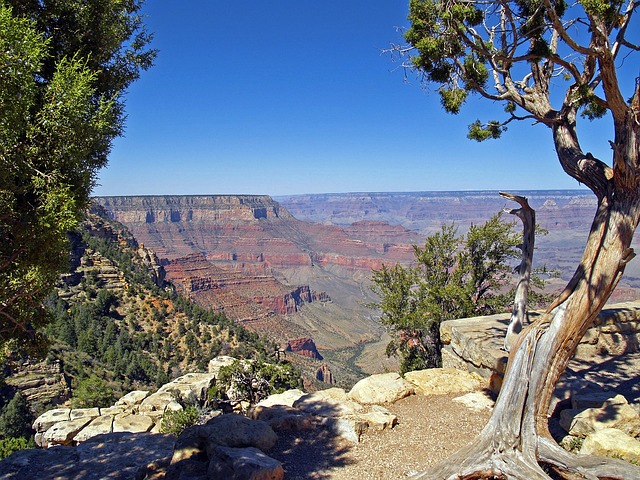
Tucson Real Estate along the Santa Cruz Riverfront faces stringent environmental regulations to protect its ecological and historical value. Key regulators include ADEQ and local planning departments, focusing on water quality, habitat preservation, and sustainable development. Developers must conduct thorough environmental impact assessments, consult experts, and adhere to strict criteria for buffer zones. Recent initiatives promote green infrastructure and sustainable water management, impacting future riverfront development. Balancing economic growth with ecological preservation is crucial for Tucson Real Estate's long-term sustainability and the protection of its natural legacy.
The Santa Cruz riverfront in Tucson Real Estate is a vibrant hub of activity, yet the potential for environmental impact necessitates careful consideration. As development along these parcels continues to grow, ensuring the preservation of ecological integrity becomes paramount. This article delves into the importance of conducting comprehensive environmental impact studies for riverfront properties, highlighting the delicate balance between urban growth and natural habitat protection. By examining the unique challenges and opportunities presented by these sites, we offer valuable insights for stakeholders navigating the complexities of Tucson’s riverfront development.
- Understanding Santa Cruz Riverfront Regulations
- Environmental Impact Studies: Tucson Real Estate Requirements
- Assessing Parcel Development Potential
- Ecological Considerations for Riverfront Properties
- Balancing Urbanization and Natural Conservation
Understanding Santa Cruz Riverfront Regulations

The Santa Cruz riverfront parcels, a significant portion of Tucson Real Estate, are subject to stringent environmental impact regulations due to their ecological sensitivity and historical significance. Understanding these regulations is crucial for any development or investment plans in this area. The primary governing bodies, such as the Arizona Department of Environmental Quality (ADEQ) and local city planning departments, have implemented comprehensive guidelines to protect the river’s ecosystem and surrounding habitats.
These regulations encompass various aspects, including water quality monitoring, habitat preservation, and sustainable development practices. For instance, any construction or renovation within a designated buffer zone along the river must adhere to strict criteria to minimize disturbance to native flora and fauna. This often involves specialized engineering solutions, such as implementing eco-friendly drainage systems and incorporating native vegetation in landscaping designs. Developers are required to conduct thorough environmental impact assessments, meticulously detailing potential effects on air quality, noise pollution, and biodiversity.
Practical insights for navigating these regulations include engaging with environmental consultants who specialize in riverfront development. These experts can guide developers through the permitting process, ensuring compliance from the outset. Additionally, staying informed about local and state environmental policies is essential, as they are subject to updates and revisions. For instance, Tucson has seen recent initiatives promoting green infrastructure and sustainable water management, which could shape future riverfront development projects. Understanding these evolving standards will be key for those looking to invest in or develop Santa Cruz riverfront parcels.
Environmental Impact Studies: Tucson Real Estate Requirements

Tucson Real Estate developments along the Santa Cruz Riverfront are subject to stringent environmental impact studies, a regulatory requirement designed to protect both the local ecosystem and surrounding communities. These studies are pivotal in assessing the potential consequences of construction projects on ecologically sensitive areas, including water quality, habitat preservation, and scenic vistas that define Tucson’s natural beauty. The city’s robust environmental regulations reflect a commitment to balancing urban growth with ecological stewardship, ensuring that development does not come at the expense of Tucson Real Estate’s unique character and biodiversity.
For instance, a proposed high-rise apartment complex near the river might require an in-depth analysis to mitigate its impact on riparian habitats, which are critical for maintaining healthy water flows and supporting diverse species. This could involve implementing strategies such as enhancing upstream habitat to offset any potential downstream disruptions or employing advanced filtration systems to prevent construction runoff from contaminating the river. By mandating these studies, Tucson Real Estate developers are encouraged to adopt sustainable practices that not only comply with regulations but also contribute to the long-term health of the region’s precious natural resources.
Environmental impact assessments should be seen as an opportunity for stakeholders, including developers, city planners, and conservationists, to collaborate on projects that respect both economic aspirations and ecological preservation. Tucson Real Estate naturally benefits from such collaborative efforts, as they lead to more sustainable development patterns that enhance the area’s appeal to residents and visitors alike while ensuring the resilience of its unique landscapes for future generations. Ultimately, adhering to these stringent standards is not just a regulatory requirement but a testament to Tucson’s dedication to preserving its natural legacy.
Assessing Parcel Development Potential

The Santa Cruz riverfront in Tucson offers a unique opportunity for development, but it also presents significant environmental challenges. Assessing the potential for developing these parcels requires a thorough understanding of ecological dynamics and sustainable practices. Experts emphasize that any construction must be carefully evaluated to minimize disruption to the fragile river ecosystem while maximizing the economic benefits for the community.
In recent years, Tucson Real Estate has seen increased interest in riverfront properties, driving discussions about responsible development. For instance, a study by the University of Arizona revealed that sustainable building practices can coexist with ecological preservation, pointing towards promising avenues for urban planning. By examining case studies of successful riverfront developments worldwide and leveraging local data, developers and policymakers can make informed decisions. For example, the revitalized downtown Tucson waterfront has become a popular destination, showcasing how thoughtful design can enhance both residential and recreational uses while preserving natural beauty.
Key considerations include environmental impact assessments, habitat conservation plans, and infrastructure planning. Developers should collaborate with ecologists, architects, and community stakeholders to integrate green spaces, promote biodiversity, and ensure water quality. Moreover, implementing adaptive management strategies allows for ongoing monitoring and adjustments as the riverfront evolves. By adopting these comprehensive approaches, Tucson can balance its real estate aspirations with environmental stewardship, ensuring a sustainable future for both the city and its natural treasures.
Ecological Considerations for Riverfront Properties

The ecological health of the Santa Cruz River is intricately linked to the riverfront properties that line its banks. In Tucson Real Estate, these parcels play a pivotal role in both natural ecosystems and urban development. Comprehensive environmental impact studies are essential to understanding and mitigating the effects of human activities on this delicate environment. For instance, construction projects near rivers can disrupt habitat connectivity, impacting fish migration patterns and altering aquatic ecosystem dynamics.
Riverfront properties serve as vital habitats for diverse species, from birds nesting in riparian trees to aquatic creatures depending on clean, well-oxygenated water. Any development must consider the potential consequences on these ecosystems. Recent studies show that urbanization along river corridors can lead to increased water pollution and sedimentation, directly affecting aquatic life. In Tucson, where riverfront lands are increasingly sought after for residential and commercial use, it’s crucial to balance development with conservation efforts.
Experts recommend integrating green infrastructure designs, such as riparian buffers and natural water filtration systems, into urban planning. These strategies not only enhance biodiversity but also contribute to more sustainable Tucson Real Estate practices. Additionally, conducting pre-and post-development ecological assessments can provide valuable data for regulatory bodies to ensure compliance with environmental protection laws. By prioritizing ecological considerations, the Santa Cruz riverfront can continue to thrive as both a vibrant urban space and a thriving natural habitat.
Balancing Urbanization and Natural Conservation

The Santa Cruz riverfront in Tucson presents a unique challenge for urban planners and developers: balancing the drive for urbanization and economic growth with the critical need to conserve natural habitats and ecosystems. As development pressures increase, particularly in areas like Tucson Real Estate, ensuring the environmental sustainability of these spaces becomes paramount. Comprehensive environmental impact studies are essential tools to navigate this delicate balance, offering insights into potential ecological consequences and informing strategic decisions.
Tucson’s riverfront parcels, with their rich biodiversity and scenic beauty, require meticulous evaluation to mitigate risks associated with urbanization. For instance, constructing new developments near the Santa Cruz River could fragment habitats, disrupt wildlife corridors, and impact water quality. Environmental studies can identify such risks, proposing mitigation measures like preserving buffer zones, implementing green infrastructure, and adopting sustainable building practices. These strategies not only protect natural resources but also enhance the area’s appeal for residents and tourists alike, fostering a harmonious coexistence between urban life and natural conservation.
Experts emphasize that successful riverfront development involves collaborative efforts between developers, environmentalists, and local authorities. Regular monitoring and adaptive management are crucial to addressing emerging challenges. For Tucson Real Estate enthusiasts, understanding these ecological considerations is not just an ethical responsibility but also a strategic advantage. By embracing sustainable practices from the outset, developers can create vibrant, resilient communities that thrive in harmony with their natural surroundings, ensuring a positive legacy for both the environment and the city’s future.
The article has provided a comprehensive overview of the intricate considerations surrounding development along the Santa Cruz riverfront, offering valuable insights for Tucson Real Estate professionals. Key takeaways include the stringent regulations in place, emphasizing the need for thorough Environmental Impact Studies as a fundamental step in any development project. Understanding the ecological sensitivity of these riverfront parcels is crucial, highlighting the balance between urbanization and natural conservation. By assessing parcel development potential while prioritizing environmental stewardship, Tucson Real Estate developers can navigate these valuable properties responsibly. This authoritative guide equips readers with the knowledge to make informed decisions, ensuring that any developments along this scenic stretch respect the natural landscape and its ecological importance.