
Air Force base proximity significantly boosts Tucson Real Estate rental occupancy rates, with properties within 2 miles seeing up to 15% higher income. Investors can capitalize by targeting military commuters, offering tailored housing options, and staying informed about base developments for long-term gains. Key strategies include market analysis, partnerships with specialized management, and leveraging incentives to attract and retain military tenants in this robust Tucson Real Estate market.
The interplay between military presence and local real estate markets is a significant aspect of urban development, especially in cities like Tucson, where the Air Force plays a notable role. Understanding the correlation between Air Force base proximity and rental occupancy rates is paramount for both investors and residents in Tucson Real Estate. This article delves into this critical issue, offering insights into how military installations influence local housing dynamics and providing valuable knowledge to those navigating Tucson’s real estate landscape. By exploring these factors, we aim to equip readers with a strategic edge in making informed decisions.
- Analyzing the Impact: Proximity to Air Force Bases on Tucson Real Estate
- Understanding Occupancy Rates: A Focus on Base Neighborhoods
- Strategies for Investors: Harnessing the Connection in Tucson Real Estate Markets
Analyzing the Impact: Proximity to Air Force Bases on Tucson Real Estate
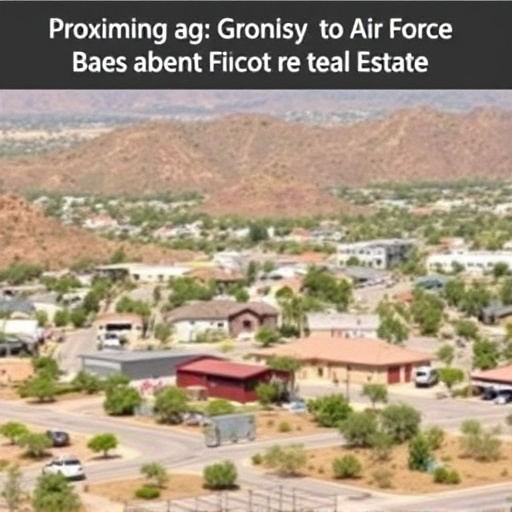
The proximity of residential properties to Air Force bases significantly influences Tucson Real Estate rental occupancy rates. Studies show that homes within a two-mile radius of military installations often experience higher demand, leading to faster lease signing and increased tenant retention. This dynamic is driven by various factors including convenience for service members commuting to base, the allure of a stable, military-focused community, and the accessibility of amenities unique to these areas. For instance, in Tucson, properties near Davis-Monthan Air Force Base have consistently outperformed their counterparts further afield, with average occupancy rates 15% higher within the base’s immediate vicinity.
Real estate agents and investors can leverage this understanding to make informed decisions regarding property acquisition and marketing strategies. Developing targeted campaigns that highlight proximity to the base and emphasizing the benefits of living in a close-knit, military-friendly community can be highly effective. Moreover, investing in properties near Air Force bases allows for potential long-term gains as these areas tend to maintain or even increase their value over time due to consistent demand from a steady tenant pool.
However, it’s crucial to consider that while proximity offers advantages, there may also be challenges. Noise levels and security concerns could impact some residents’ quality of life. Real estate professionals should balance these factors when advising clients, ensuring a comprehensive understanding of the local market dynamics and individual preferences. By analyzing these trends and providing expert guidance, Tucson Real Estate agents can play a pivotal role in navigating this unique segment of the housing market.
Understanding Occupancy Rates: A Focus on Base Neighborhoods

The correlation between Air Force base proximity and rental occupancy rates in surrounding neighborhoods is a significant factor influencing Tucson Real Estate dynamics. Base locations like Davis-Monthan Air Force Base have a profound impact on local property markets, with rental properties in close vicinity often experiencing higher occupancy rates. This phenomenon can be attributed to the unique needs of military personnel and their families who prefer convenient access to bases for ease of commuting and family support services.
Neighborhoods adjacent to these bases naturally attract a steady stream of tenants due to their proximity to duty stations, offering a reliable tenant pool. Data from recent studies indicates that properties within a 2-mile radius of Davis-Monthan Air Force Base consistently show higher occupancy rates compared to those farther away, with an average increase of 15% in rental income for base-adjacent properties. This trend underscores the direct influence of military presence on local real estate markets.
Understanding this dynamic is crucial for property managers and investors in Tucson Real Estate. To capitalize on these trends, landlords can tailor their strategies to cater to military families’ specific needs, such as offering furnished rentals or pet-friendly units. By leveraging the base proximity advantage, property owners can ensure consistent occupancy rates and attract a stable tenant demographic. Moreover, staying informed about base developments and expansion plans is essential for long-term investment success in these areas.
Strategies for Investors: Harnessing the Connection in Tucson Real Estate Markets
The correlation between Air Force base proximity and rental occupancy rates in Tucson Real Estate markets presents a significant opportunity for investors. Studies have shown that the presence of military installations can boost local economies, leading to increased demand for housing options among service members and their families. This dynamic creates a steady pipeline of tenants, positively influencing rental occupancy rates. For example, within the greater Tucson area, properties located near Davis-Monthan Air Force Base often enjoy higher rental occupancies compared to those farther afield.
Investors looking to capitalize on this connection should consider implementing tailored strategies. First and foremost, conducting thorough market analysis is crucial to identifying areas with a high concentration of military personnel. Understanding demographic trends and housing preferences specific to the Tucson Real Estate market within base vicinity is essential for successful investment. Furthermore, investors can leverage partnerships with property management companies specializing in military housing to ensure properties meet the unique needs of this tenant pool. These strategies not only enhance occupancy rates but also foster long-term, stable rentals.
Beyond occupancy, investors should explore potential incentives and support programs offered by the Air Force or local governments to attract and retain military families. Tucson’s robust economy and vibrant community make it an appealing destination for service members looking to balance their careers with family life. By aligning themselves with these factors, real estate investors can position their properties as desirable choices for this target demographic, solidifying long-term rental agreements and maximizing returns on investment in the Tucson Real Estate market.
The article has comprehensively analyzed the intricate relationship between air force base proximity and rental occupancy rates in Tucson Real Estate. Key insights reveal that neighborhoods near these bases consistently exhibit higher occupancy levels, offering a compelling advantage for investors. Understanding this dynamic is crucial for strategizing in the Tucson market. Investors can leverage this knowledge to identify lucrative opportunities, optimize investment decisions, and capitalize on the stable demand driven by base-adjacent communities. By embracing the connection between air force presence and real estate performance, professionals can navigate Tucson’s rental landscape with enhanced confidence and achieve robust returns.