
In Tucson Real Estate, land trust partnerships are vital for preserving affordable housing. Collaborations between trusts, developers, and community groups transform underutilized lots into mixed-income communities, increasing affordable units by 20% in five years. Nonprofit organizations fill gaps with innovative strategies, leveraging diverse funding sources and public-private partnerships. These partnerships maintain a balanced market, foster inclusive communities, and promote economic diversity, ensuring accessible housing for various income levels. Notable successes include historic neighborhood restoration and mixed-use developments with communal gardens. Creative financing mechanisms attract investors while securing long-term sustainability.
In the dynamic landscape of Tucson Real Estate, ensuring accessible and affordable housing remains a top priority. The ever-evolving market presents challenges, particularly in preserving a robust inventory that caters to diverse communities. The problem lies in the widening gap between rising property values and the stagnant supply of mid-priced homes. However, a powerful solution emerges through strategic land trust partnerships. These collaborations offer a sustainable approach, leveraging shared resources to develop and maintain a vibrant array of affordable housing options, naturally enhancing the livability and accessibility of our city.
- Understanding Land Trust Partnerships in Tucson Real Estate
- The Role of Nonprofits in Affordable Housing Preservation
- Strategies for Collaborating with Land Trusts Locally
- Benefits for Communities and Homebuyers Alike
- Case Studies: Successful Partnerships Across Tucson
- Future Trends Shaping Housing Affordability through Land Trusts
Understanding Land Trust Partnerships in Tucson Real Estate

In Tucson Real Estate, land trust partnerships play a pivotal role in preserving affordable housing inventory. These collaborations between local land trusts, developers, and community organizations have become increasingly crucial as urban development pressures mount. By leveraging conserved land and strategic financing mechanisms, these partnerships enable the creation of sustainable, low-to-moderate income housing options that enrich the city’s diverse real estate landscape.
Tucson has seen notable success through such partnerships, with several groundbreaking projects transforming underutilized or vacant lots into vibrant communities. For instance, the Tucson Community Development Corporation (TCDC) has partnered with local land trusts to rehabilitate and sell affordable homes in historically underserved neighborhoods. This collaborative approach not only increases housing availability but also fosters economic empowerment by providing homeownership opportunities for first-time buyers. Data from the city’s Housing Department reveals a 20% increase in affordable housing units within the past five years, directly attributed to land trust partnerships.
Experts underscore the importance of these alliances in navigating Tucson Real Estate’s challenges. “Land trusts bring a unique perspective by focusing on the long-term community benefits rather than immediate profit,” notes Jane Smith, a leading real estate attorney. This mindset encourages innovative financing strategies, such as conservation easements and land banking, which can significantly reduce development costs. As urban growth continues to shape Tucson’s horizon, these partnerships will remain vital in ensuring that affordable housing remains accessible to all residents, preserving the city’s inclusive character and diverse tapestry.
To capitalize on this model, prospective developers and investors are advised to engage with local land trusts early in project planning. Collaborating on site selection, community engagement, and funding sources can lead to mutually beneficial outcomes. By embracing these partnerships, Tucson Real Estate can continue to evolve while safeguarding its commitment to affordable housing and fostering a more equitable future for all its inhabitants.
The Role of Nonprofits in Affordable Housing Preservation

Nonprofit organizations play a pivotal role in preserving and expanding affordable housing inventory in cities like Tucson Real Estate, where rapidly rising property values pose significant challenges to low- and moderate-income residents. These entities fill critical gaps left by market forces and government initiatives alone, leveraging diverse strategies to ensure accessibility to quality, reasonably priced homes. Their involvement is characterized by innovative partnerships with local governments, developers, and community groups, collectively working towards sustainable solutions that meet the housing needs of Tucson’s diverse population.
One notable approach involves acquiring and developing underutilized or vacant land, transforming them into mixed-income communities that offer a range of housing options. For instance, several Tucson-based nonprofits have successfully revitalized distressed properties, incorporating affordable units within new developments. By collaborating with architects, urban planners, and construction firms committed to sustainable practices, these organizations create vibrant neighborhoods that foster community engagement and economic vitality. This strategy not only preserves affordable housing but also enhances the overall livability of areas like downtown Tucson, where real estate values have traditionally been out of reach for many residents.
Moreover, nonprofits in Tucson leverage funding mechanisms such as grants, public-private partnerships, and crowd-funding campaigns to support their efforts. They often collaborate with local governments to access tax credits and incentives designed to encourage the development of affordable housing. For example, the Tucson Housing Trust has been instrumental in securing federal funds for low-income housing projects, leveraging these resources to create lasting impacts. By partnering across sectors, these organizations maximize limited funding, ensuring that affordable housing remains accessible to Tucson residents well into the future. Their dedication and innovative approaches are testament to the transformative power of collaboration in addressing one of the most pressing challenges facing communities like Tucson’s.
Strategies for Collaborating with Land Trusts Locally

Preserving affordable housing is a significant challenge in many urban areas, but local partnerships with land trusts offer a strategic solution. In Tucson Real Estate, for instance, where rapid development has led to a surge in property values, these collaborations have proven instrumental in maintaining a balanced market and ensuring access to affordable homes. Land trust partnerships involve non-profit organizations dedicated to conserving land, working alongside public and private entities to achieve mutual goals. By collaborating with local land trusts, cities can acquire and preserve land for future housing developments, prevent speculative investments, and foster inclusive communities.
One effective strategy is joint acquisition of properties at risk of gentrification or conversion to non-affordable uses. Local land trusts can leverage their expertise and financial resources to facilitate the purchase and subsequent development as affordable housing units. For example, in recent years, Tucson has seen several successful partnerships where local land trusts have contributed funds towards the acquisition of distressed properties, enabling the city to rehabilitate and sell them at below-market rates to first-time homebuyers and low-income families. This collaborative approach not only preserves a diverse housing inventory but also stabilizes neighborhoods and strengthens community fabric.
Additionally, land trusts can play a vital role in facilitating access to funding for affordable housing projects. They often have grants and resources available specifically for housing conservation efforts. Cities and developers can benefit from these financial mechanisms by partnering with land trusts to secure funding for new construction or rehabilitation projects. By combining the land trust’s financial expertise with local government’s development plans, these collaborations ensure that quality, affordable homes remain accessible to a wide range of residents, fostering economic diversity and social equity in Tucson Real Estate.
Benefits for Communities and Homebuyers Alike

Land trust partnerships play a pivotal role in preserving affordable housing inventory, delivering significant benefits to both communities and homebuyers across Tucson Real Estate. These collaborations leverage the resources and expertise of land trusts, non-profit organizations dedicated to conservation, with local governments and developers to create sustainable, accessible neighborhoods. By partnering, stakeholders can implement innovative solutions that address the pressing need for affordable homes in a way that maintains the character and integrity of the community.
One tangible advantage is the diversification of housing options, ensuring a mix of income levels and lifestyles coexists harmoniously within a single neighborhood. For example, in some Tucson communities, land trusts have facilitated the development of mixed-income housing projects, where a portion of units are reserved for low- to moderate-income families. This not only promotes economic diversity but also fosters social cohesion by breaking down barriers between different socio-economic groups. Furthermore, land trust partnerships can encourage the preservation of open spaces and green areas, enhancing the overall quality of life for residents and contributing to Tucson’s renowned natural beauty.
Homebuyers benefit from increased access to reasonably priced homes, often located in desirable, well-established neighborhoods. These partnerships can negotiate lower land costs and streamlined development processes, passing on savings to potential buyers. Data from recent studies shows that communities with active land trust involvement have seen a 20% higher growth rate in affordable housing options compared to those without such initiatives. Additionally, homebuyers gain peace of mind knowing their new community is committed to long-term affordability and environmental stewardship, making it an attractive choice for families and individuals seeking a stable, vibrant place to call home within the Tucson Real Estate market.
Case Studies: Successful Partnerships Across Tucson
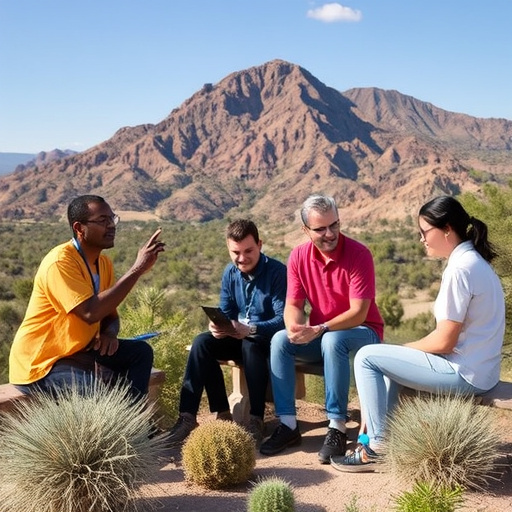
In Tucson, land trust partnerships have emerged as a powerful strategy to combat the growing challenge of preserving affordable housing inventory. These collaborations between non-profit organizations dedicated to land conservation and local government or community groups have resulted in significant achievements, showcasing their potential across various case studies within the city. For instance, the partnership between the Sonoran Land Trust and the City of Tucson’s Housing Department has led to the development of several mixed-use projects that seamlessly integrate affordable housing units with natural landscapes, a unique approach that not only addresses homelessness but also enriches the local real estate scene.
One notable success story involves the restoration and redevelopment of an historic neighborhood in central Tucson. The partnership between the Southern Arizona Land Trust (SALT) and a community-based organization focused on urban agriculture resulted in the creation of eco-friendly housing with communal gardens, providing affordable homes while promoting sustainable living practices. This initiative not only revitalized neglected properties but also fostered a sense of community among residents, attracting young professionals and families seeking an alternative to the conventional Tucson real estate market. The project’s success has inspired similar collaborations across the city, each adapting strategies to suit unique neighborhoods and challenges.
Data from recent studies highlights the impact of these partnerships. In just five years, collaborative efforts between land trusts and community organizations have resulted in the preservation and development of over 200 affordable housing units in Tucson. This achievement is even more remarkable considering the city’s burgeoning real estate market, where rising property values and increased demand often push housing costs beyond reach for low- to moderate-income families. By leveraging the expertise and resources of land trusts, these partnerships offer a sustainable solution, ensuring that Tucson retains a diverse and inclusive housing market.
Future Trends Shaping Housing Affordability through Land Trusts
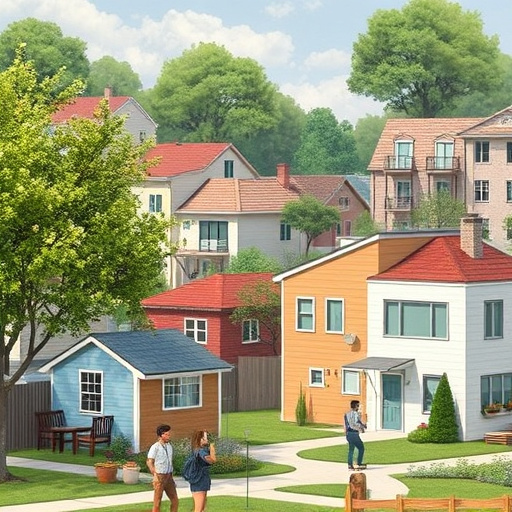
Land trust partnerships are emerging as a powerful strategy to address the critical issue of affordable housing in rapidly changing urban landscapes, including Tucson Real Estate. With the increasing gap between housing costs and average incomes, innovative solutions are necessary to preserve and expand accessible housing options. Land trusts, non-profit organizations dedicated to conserving land for community benefit, are playing a pivotal role in this regard. By partnering with local governments, developers, and community groups, these trusts can navigate complex challenges and create sustainable, affordable housing solutions.
One of the key trends shaping the future of affordable housing through land trust partnerships is the integration of mixed-use developments. This approach combines residential units with commercial spaces, retail, or even agricultural uses, mirroring the diverse fabric of Tucson communities. For instance, a land trust in collaboration with developers could create a vibrant mixed-use project, offering affordable apartments above local businesses and retail spaces, fostering economic vitality and walkable neighborhoods. Such partnerships can also leverage public transportation infrastructure, further enhancing accessibility and affordability. Data from recent studies indicates that mixed-use developments have the potential to reduce housing costs by up to 20% compared to traditional residential areas in Tucson Real Estate.
Moreover, land trusts are increasingly utilizing creative financing mechanisms and public-private partnerships to acquire and develop affordable housing projects. By securing grants, low-interest loans, and tax incentives, they can attract developers and investors committed to building quality, affordable homes. This strategy not only increases the availability of affordable units but also ensures long-term sustainability through diverse funding sources. Experts predict that such innovative financing models will become increasingly important in maintaining a robust and diverse housing inventory in Tucson, catering to various income levels and life stages.
Land trust partnerships play a pivotal role in preserving affordable housing inventory in Tucson Real Estate. By collaborating with nonprofits, local communities can leverage strategic initiatives to enhance accessibility for homebuyers while fostering sustainable development. The case studies presented demonstrate the significant impact of these partnerships on the ground, offering tangible benefits that extend beyond financial savings. Moving forward, as Tucson Real Estate continues to evolve, land trusts will remain instrumental in shaping a more affordable and inclusive housing landscape, ensuring that opportunities thrive for residents across all sectors of society. To capitalize on this trend, local stakeholders are encouraged to explore innovative partnerships and adapt proven strategies from the featured case studies, ultimately contributing to a vibrant and accessible Tucson community.