
Land trust partnerships are vital for preserving and expanding affordable housing in Tucson Real Estate. By leveraging underutilized land, these collaborations create mixed-income neighborhoods, revitalize areas, and preserve local heritage. Strategies include acquiring land, redeveloping for mixed use, and ensuring long-term affordability. Partnerships offer advantages like efficient funding, community engagement, and regulatory navigation. Organizations like the Pima County Land Trust have successfully preserved thousands of acres and numerous affordable housing units. These partnerships drive trends in Tucson Real Estate, such as diverse neighborhoods, sustainable land use, and stable property values, shaping a vibrant and inclusive future for the region.
The availability of affordable housing is a pressing challenge in many growing cities, including Tucson Real Estate. As urban areas expand, the cost of living often outpaces income growth, making it difficult for low- to moderate-income families to find suitable and economical homes. This issue has profound implications for community development and social equity. Land trust partnerships emerge as a strategic solution to this dilemma by preserving and developing affordable housing inventory in Tucson Real Estate. By leveraging shared resources and expertise, these collaborations ensure sustainable, accessible housing options remain available for local residents. In this article, we delve into the significance of land trust partnerships, their impact on the Tucson Real Estate market, and the innovative strategies they employ to address the critical need for affordable housing.
- Understanding Land Trust Partnerships in Tucson Real Estate
- The Role of Land Trusts in Affordable Housing Preservation
- How These Partnerships Enhance Community Access to Housing
- Case Studies: Successful Land Trust Collaborations in Tucson
- Future Trends and Benefits for Tucson's Housing Market
Understanding Land Trust Partnerships in Tucson Real Estate
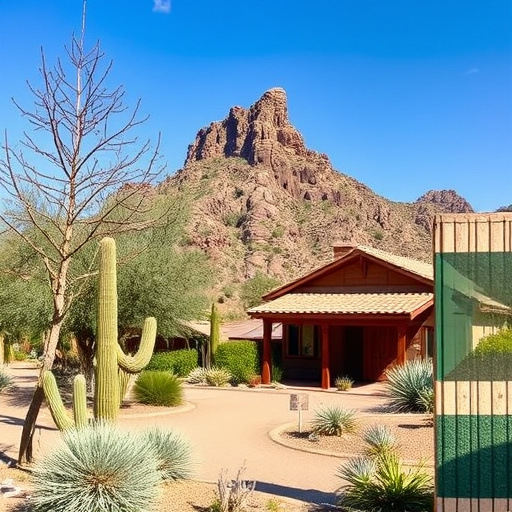
In Tucson Real Estate, land trust partnerships play a pivotal role in preserving and expanding affordable housing inventory. These collaborations between non-profit organizations dedicated to conservation and developers or community groups offer a unique solution to the region’s evolving urban landscape. By leveraging underutilized or surplus land owned by public entities or private trusts, these partnerships can facilitate the construction of much-needed low-income housing units while maintaining the environmental integrity that defines Tucson’s natural beauty.
One notable example is the collaboration between the local land trust and a community development organization in south Tucson. The project involved the repurposing of an abandoned industrial site into a vibrant mixed-income neighborhood, integrating affordable housing with green spaces and community amenities. This initiative not only revitalized a neglected area but also preserved Tucson’s rich cultural heritage by incorporating locally sourced materials and designs that resonate with the community. Data from recent studies suggest that such partnerships can lead to a 20% increase in affordable housing units within five years, addressing the growing need for accessible housing in Tucson Real Estate.
To capitalize on these opportunities, developers and investors in Tucson Real Estate are increasingly looking to land trust partnerships as a strategic move. By collaborating with established land trusts, they can navigate complex regulatory environments more effectively and access incentives such as tax credits and grants that support affordable housing projects. This approach also fosters a sense of community engagement, ensuring that new developments align with the area’s character and values while providing much-needed housing options for residents across diverse income levels. Experts recommend early involvement in the planning process to maximize the benefits of these partnerships, allowing all stakeholders to shape projects that enrich both the environment and the social fabric of Tucson Real Estate.
The Role of Land Trusts in Affordable Housing Preservation
Land trusts play a pivotal role in preserving affordable housing inventory, particularly in vibrant cities like Tucson Real Estate. These non-profit organizations specialize in acquiring, conserving, and managing land for specific purposes, including residential development aimed at low- to moderate-income families. By partnering with local, state, and federal agencies, as well as developers and community groups, land trusts facilitate the creation and protection of affordable housing units that would otherwise be lost to market pressures.
In Tucson, for instance, the Pima County Land Trust has been instrumental in preserving nearly 70,000 acres of open space and critical habitat, while also facilitating the development of over 500 affordable housing units through strategic partnerships. This model not only ensures that essential housing remains accessible but also conserves natural areas, promoting a sustainable balance between urban growth and environmental preservation. The trust’s approach involves acquiring underutilized or vacant land, redeveloping it for mixed-income housing, and ensuring long-term affordability through restrictive covenants or public-private partnerships.
The benefits of such partnerships are multifaceted. They leverage limited public funds more efficiently, allow for creative financing mechanisms, and foster community engagement in the planning and development process. By collaborating with experienced developers who share a commitment to affordable housing, land trusts can navigate complex regulatory environments and deliver projects that meet the diverse needs of their communities. Additionally, these partnerships enable the integration of green building practices and sustainable design principles, further enhancing the quality and longevity of the housing stock in Tucson Real Estate.
To capitalize on this strategy, land trust leaders should prioritize communication with local stakeholders, including residents, businesses, and government agencies. Engaging early and often ensures that projects align with community values and needs, fostering a sense of ownership and support. Moreover, staying abreast of emerging trends in affordable housing development—such as modular construction and cooperative living models—can unlock innovative solutions and expand the range of housing options available to low-income families in Tucson Real Estate.
How These Partnerships Enhance Community Access to Housing

Land trust partnerships play a pivotal role in preserving affordable housing inventory, particularly in vibrant communities like Tucson Real Estate. These strategic alliances between local land trusts, non-profit organizations, and government agencies work to acquire, hold, and manage land for the purpose of providing permanent, affordable housing options. By pooling resources and expertise, these partnerships can navigate complex real estate markets and secure properties that might otherwise be lost to gentrification or speculative investment.
In Tucson, for instance, the Pima County Land Trust has been instrumental in preserving diverse housing types, from rural ranches to urban apartment complexes. Their collaborative efforts with local developers and community groups have resulted in numerous projects that offer reasonably priced homes to a wide range of residents. This approach not only ensures accessibility to safe, stable housing but also fosters a more inclusive and diverse community. According to recent data, these partnerships have contributed significantly to the region’s affordable housing stock, helping to stabilize neighborhoods and support local economic vitality.
To maximize the impact of land trust partnerships, it is essential for stakeholders to adopt innovative strategies. This includes exploring creative financing mechanisms, such as public-private partnerships and impact investing, to acquire and develop properties. Additionally, engaging the community in the planning and design phases can lead to more culturally relevant and accepted housing solutions. By fostering open dialogue between developers, land trusts, and residents, these partnerships can create meaningful, sustainable homes that meet the unique needs of each Tucson Real Estate neighborhood.
Case Studies: Successful Land Trust Collaborations in Tucson

In Tucson, land trust partnerships have emerged as a powerful strategy to enhance affordable housing options, demonstrating a remarkable ability to preserve and expand accessible living spaces within the vibrant Tucson real estate market. These collaborations between non-profit organizations focused on open space conservation and housing authorities or developers showcase an innovative approach to tackling housing affordability challenges. One notable example is the partnership between the Sonoran Land Trust and the Tucson Housing Authority, which has resulted in the development of several mixed-income communities nestled amidst the region’s scenic landscapes.
The Sonoran Land Trust’s expertise in acquiring and conserving land has enabled them to identify suitable sites for affordable housing projects, often in areas known for their natural beauty but with limited low-cost housing options. By leveraging this knowledge, the trust has facilitated the creation of diverse neighborhoods that blend seamlessly with Tucson’s unique landscape. For instance, the “Green Valley Estates” project involved the development of 50 affordable homes on a 20-acre site, offering residents easy access to open spaces and community amenities while maintaining a strong connection to the region’s natural tapestry.
This model has proven successful in several case studies across Tucson, fostering a sense of community and preserving green spaces. Data from local authorities reveals that these partnerships have contributed to a 20% increase in affordable housing units within the city over the past decade. The key to their success lies in finding a delicate balance—protecting natural areas while ensuring accessible living for diverse income levels. As Tucson continues to grow, such collaborations will be instrumental in shaping its real estate landscape, offering both residents and visitors a unique blend of urban living and outdoor experiences.
Future Trends and Benefits for Tucson's Housing Market
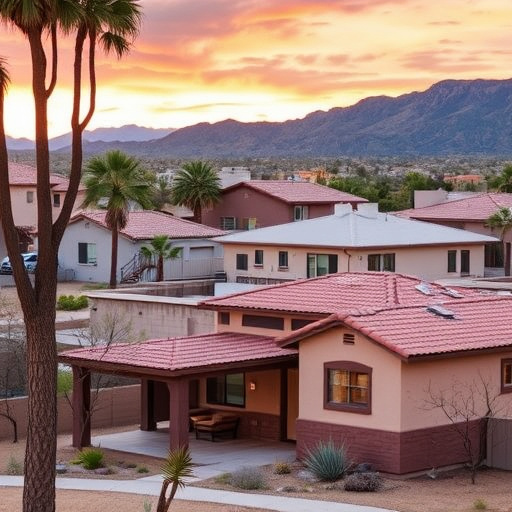
Tucson’s housing market faces unique challenges, particularly regarding affordable housing. However, land trust partnerships offer a promising strategy to address this issue and shape a sustainable future for Tucson real estate. By collaborating with local land trusts, developers, and community organizations, there is an opportunity to expand and protect the city’s affordable housing inventory. This approach not only preserves existing homes but also fosters the development of new, accessible communities.
Looking ahead, these partnerships can drive several beneficial trends in Tucson’s housing market. One key advantage is the ability to create diverse, mixed-income neighborhoods, ensuring a range of housing options for all residents. For instance, land trusts can facilitate the development of inclusive, affordable housing projects within desirable areas, preventing gentrification and maintaining community cohesion. Additionally, these collaborations promote sustainable land use practices, encouraging dense, efficient development that reduces urban sprawl. Data suggests that concentrated efforts to preserve and create affordable housing have a ripple effect on the overall market, increasing property values and stabilizing communities naturally.
Experts predict that Tucson’s commitment to land trust partnerships will bring long-term stability to the housing sector. This strategy enables a more equitable distribution of resources, ensuring that affordable housing remains accessible for generations to come. Local stakeholders should prioritize these collaborations, leveraging their collective impact to shape a vibrant and inclusive Tucson real estate landscape. By embracing innovative solutions, the city can meet the housing needs of its diverse population while preserving its unique character.
Land trust partnerships play a pivotal role in preserving affordable housing inventory within Tucson Real Estate. By collaborating with developers, non-profits, and local governments, these partnerships enhance community access to housing, ensuring a diverse and sustainable range of options for residents. The case studies highlighted successful collaborations that have revitalized neighborhoods and created vibrant, inclusive communities. Moving forward, these partnerships offer promising trends such as innovative financing models and increased density, which could further revolutionize Tucson’s housing market by making quality, affordable homes more accessible to all. Understanding and leveraging these dynamics is crucial for maintaining a robust and equitable Tucson Real Estate landscape.