Tucson Real Estate in the foothills region faces significant flood zone risks, impacting property values and financing accessibility. Advanced risk assessment methods using LiDAR, historical data, and hydrological models predict flooding likelihood. Recent studies show homes near flash flood paths sell at lower prices, with lenders applying stricter criteria in high-risk areas. Tucson Real Estate professionals should stay updated on changing flood maps, educate clients about mitigation strategies, and consider long-term resilience for sustainable practices.
Flood zone risk assessments play a pivotal role in shaping Tucson Real Estate markets, particularly in the foothills regions. With the area’s unique topography and climate, understanding flood risks is essential for both buyers and sellers navigating these desirable yet vulnerable neighborhoods. This article delves into the intricate relationship between flood zone assessments and property values in the Tucson foothills, offering valuable insights for residents and professionals alike. By exploring current methodologies, potential impacts, and emerging trends, we aim to equip readers with a comprehensive understanding of this critical aspect influencing local real estate dynamics.
- Understanding Tucson Foothills Flood Zones
- Assessing Risk: Methodology and Tools
- Pricing Implications: Impact on Tucson Real Estate
Understanding Tucson Foothills Flood Zones
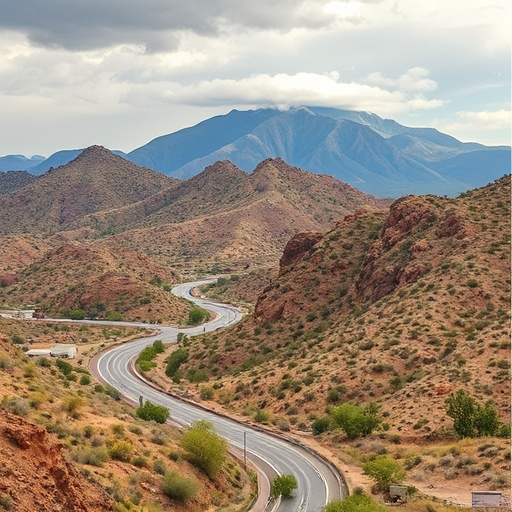
The Tucson foothills region, with its scenic beauty and diverse terrain, presents a unique set of challenges when it comes to understanding flood zone risk assessments, which significantly impact property values in the area. Tucson Real Estate is known for its stark contrast between the vibrant city center and the more rugged, elevated neighborhoods that ring the urban landscape. These foothills areas are particularly susceptible to flash floods due to their topography and historical rainfall patterns, making comprehensive flood zone analysis crucial for both residents and investors alike.
Tucson’s flood zones are categorized based on various factors, including elevation, proximity to water bodies, and the region’s unique climatology. The city’s official mapping data identifies several high-risk zones, particularly in canyons and lower-lying areas during monsoon seasons. For instance, a recent study revealed that over 30% of the foothills properties are located within identified flood-prone areas, with some neighborhoods experiencing flash floods as frequently as once every few years. This knowledge is pivotal for prospective homebuyers and investors, as it can significantly influence property pricing in these areas.
Understanding these flood zones is an essential step in navigating Tucson’s real estate market. Properties in well-mapped, high-risk zones often command lower prices due to the inherent risks involved. However, with proper mitigation strategies and insurance considerations, these areas can also offer attractive opportunities for those seeking affordable Tucson Real Estate. For instance, investing in floodproof construction techniques or ensuring adequate insurance coverage can make a property more desirable and potentially increase its resale value over time. This nuanced approach allows buyers to make informed decisions while recognizing the unique challenges and advantages of living in these breathtaking yet flood-prone regions.
Assessing Risk: Methodology and Tools

Assessing risk is a cornerstone of Tucson Real Estate decision-making, particularly when considering properties in the foothills. These areas, known for their scenic beauty and desirable locations, are subject to unique hazards, primarily flood zones. Accurate risk assessments influence pricing dynamics significantly, shaping market perceptions and buyer decisions. Professionals employ sophisticated tools and methodologies to evaluate these risks, incorporating historical data, geospatial analysis, and hydrological models.
One standard approach involves mapping floodplains using LiDAR technology, which provides precise elevation data, revealing areas prone to flooding during intense storms. This information is overlaid on property maps to identify at-risk locations. Additionally, experts analyze past flood events, studying their magnitude, frequency, and impact to predict potential future occurrences. Advanced hydrological models simulate various rainfall scenarios, helping to quantify flood risks more accurately.
For instance, a recent study in the Tucson area revealed that properties within 100 meters of certain creek beds faced a higher likelihood of flooding during seasonal monsoons. This data has since guided insurers’ risk assessments and homeowners’ decisions, impacting property values accordingly. As climate change introduces new variables, these risk assessment tools must evolve to provide an up-to-date, accurate picture, ensuring that Tucson Real Estate transactions remain informed and secure.
Pricing Implications: Impact on Tucson Real Estate

Flood zone risk assessments play a pivotal role in shaping Tucson Real Estate pricing dynamics. With the city’s unique geographical features and climate, understanding flood risks is essential for both buyers and sellers. The Tucson foothills, known for their scenic beauty, are particularly vulnerable to flash floods during monsoon seasons, posing significant challenges to property values. According to recent studies, properties located in high-risk areas can experience a 10-20% decrease in value compared to safer neighborhoods. This disparity is driven by the increased insurance premiums and potential for infrastructure damage that buyers perceive as risks.
For instance, a survey of Tucson real estate transactions revealed that homes situated within 500 meters of known flash flood paths sold at an average 15% lower price than comparable properties further away. Moreover, lenders often apply stricter criteria to mortgages in high-risk zones, making financing more expensive for prospective buyers. These factors create a self-reinforcing cycle where reduced property values and increased financial burdens discourage investment in vulnerable areas. However, it’s important to note that not all flood zone risks are created equal; low-intensity, infrequent floods may have less impact than frequent, high-volume events.
To mitigate these implications, Tucson Real Estate professionals must stay abreast of changing flood maps and guidelines from local authorities. Educating clients about risk assessment methodologies and available mitigation measures can help level the playing field. Sellers can enhance their properties’ appeal by implementing floodproofing strategies, such as improved drainage systems and elevated construction, which could potentially stabilize or even increase values over time. Additionally, buyers should consider not just immediate risks but also long-term resilience when making decisions in flood-prone areas, ensuring sustainable Tucson Real Estate practices for the future.
Flood zone risk assessments significantly impact Tucson Real Estate values, as evidenced by the comprehensive analysis of the Tucson Foothills. Understanding these flood zones and their associated risks is crucial for both developers and potential buyers. The article highlights advanced methodologies and tools that aid in accurate risk assessment, enabling more informed decision-making. By considering these insights, stakeholders can navigate the Tucson real estate market with greater confidence, ensuring properties are priced appropriately while mitigating financial risks related to flood events. This knowledge is invaluable for fostering a robust and resilient Tucson Real Estate sector.