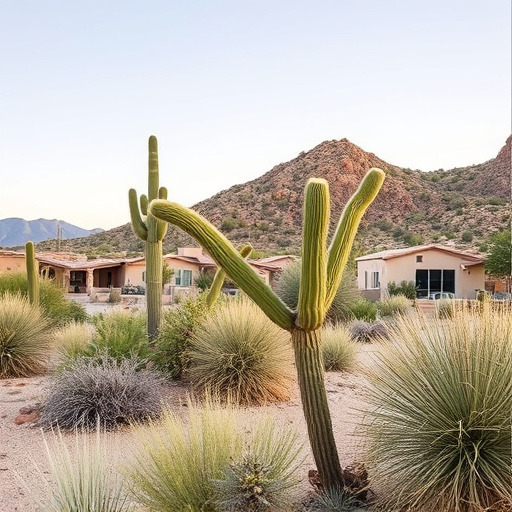
Tucson Real Estate developers face stringent desert flora preservation laws aimed at protecting biodiversity. Key challenges include: safeguarding endangered species, implementing sustainable landscaping with native plants to reduce water use, navigating complex permitting processes, and collaborating with ecologists for innovative designs. Compliance enhances property values, market appeal, and preserves the region's natural heritage. Future trends indicate stricter assessments, advanced tech, increased focus on renewable energy, and public-private partnerships for eco-friendly development in Tucson Real Estate and globally.
The delicate balance between urban development and environmental conservation is a paramount concern, especially in regions like Tucson Real Estate known for its diverse desert landscapes. With rapid urbanization putting pressure on natural habitats, the preservation of desert flora becomes not just an ecological imperative but a legal requirement for any new construction projects. Understanding and adhering to these stringent laws are crucial steps towards safeguarding the region’s unique biodiversity. This article delves into the intricacies of desert flora preservation regulations, their impact on construction approvals in Tucson, and offers insights into ensuring compliance while fostering sustainable growth.
- Desert Flora Laws: Impacts on Tucson Real Estate Development
- Understanding Environmental Regulations for New Constructions
- The Role of Native Plants in Preservation Efforts
- Navigating Permitting Process with Strict Ecological Guidelines
- Case Studies: Success Stories of Sustainable Construction
- Future Trends Shaping Green Building Approval Policies
Desert Flora Laws: Impacts on Tucson Real Estate Development

Tucson Real Estate developers face a unique challenge when navigating the intricate web of desert flora preservation laws. These regulations, designed to protect the region’s diverse and delicate ecosystems, significantly impact new construction approvals. The Sonoran Desert, known for its vibrant biodiversity, has long been a focus area for these conservation measures, which have evolved over time to reflect the latest scientific understanding. Developers must therefore stay informed about the latest guidelines set by agencies like the U.S. Fish and Wildlife Service and the Arizona Department of Environmental Quality (ADEQ).
One key aspect is the protection of endangered species and their habitats. For instance, the Tucson area is home to several threatened plant species, including certain varieties of cacti and succulents. Any construction project within these species’ ranges requires meticulous planning to avoid habitat disruption. This might involve rerouting proposed roads, adjusting building footprints, or implementing special mitigation measures. Developers can work with ecological consultants to conduct thorough surveys and assessments, ensuring compliance from the outset. Failure to adhere to these regulations can result in costly delays, legal repercussions, and damage to Tucson Real Estate projects’ reputations.
Moreover, the preservation laws often mandate sustainable landscaping practices. This encourages the use of native vegetation in construction projects, promoting biodiversity and reducing water consumption. Developers can leverage this opportunity to create aesthetically pleasing, low-maintenance landscapes that enhance property values. For example, employing desert-adapted plants like cacti, succulents, and drought-tolerant shrubs not only satisfies regulatory requirements but also contributes to the region’s unique character, making Tucson Real Estate more desirable in both local and national markets. Staying abreast of these trends and regulations is crucial for developers seeking to thrive in the Tucson market while preserving its natural heritage.
Understanding Environmental Regulations for New Constructions

The preservation of desert flora is a paramount concern in regions like Tucson Real Estate, where unique ecosystems thrive. When considering new construction projects, developers and builders must navigate a complex web of environmental regulations to ensure compliance and secure approvals. Understanding these rules is crucial for successful ventures in this delicate ecosystem. One key aspect is the integration of native plant species into development plans, promoting biodiversity and minimizing ecological disruption.
Tucson, known for its vibrant desert landscapes, has stringent laws aimed at preserving its flora. For instance, the city’s General Plan emphasizes sustainable development practices, advocating for the use of native plants in landscaping to reduce water consumption and support local wildlife. Builders must carefully study these guidelines, ensuring their proposals align with ecological preservation goals. Permitting agencies often require detailed plant lists, site-specific conservation plans, and even post-construction monitoring to assess the project’s impact on surrounding vegetation.
Experts recommend that developers consult with ecologists and landscape architects familiar with local regulations and flora. This collaborative approach can lead to innovative design solutions that meet both development needs and environmental preservation objectives. For instance, using drought-resistant native plants in landscaping not only reduces water usage but also creates habitats for desert wildlife, fostering a more sustainable community. Staying informed about evolving Tucson Real Estate environmental regulations is vital for navigating the approval process successfully while contributing positively to the region’s unique natural heritage.
The Role of Native Plants in Preservation Efforts

Native plants play a pivotal role in preservation efforts within Tucson Real Estate, serving as a critical component of laws aimed at protecting diverse flora. These plants are deeply intertwined with the region’s ecological health, providing food and habitat for local wildlife and contributing to soil stability. In an area characterized by unique and delicate ecosystems, such as the Sonoran Desert, preserving native vegetation is not merely an environmental imperative but a key strategy in ensuring sustainable development.
Tucson’s stringent preservation laws acknowledge the intrinsic value of indigenous flora. When considering new construction approvals, developers are mandated to conduct thorough assessments that factor in the presence and extent of native plant species on the proposed development site. This process involves identifying protected plants, such as saguaro cacti and various yucca varieties, which are integral to the region’s natural beauty and ecological balance. In many cases, these laws require developers to incorporate strategies like preserving plant habitats, conducting controlled relocations, or creating new habitats to offset any potential disturbance caused by construction activities.
Practical implementation of these regulations involves close collaboration between developers, ecologists, and local preservation groups. For instance, a developer planning a residential project in an area rich in native flora could employ strategies such as designing landscapes that integrate indigenous plants, establishing buffer zones to protect key habitats, or even creating on-site conservation areas. By embracing these practices, Tucson Real Estate can foster both ecological preservation and the development of aesthetically pleasing, environmentally harmonious communities. This approach not only safeguards the region’s unique natural heritage but also contributes to a more sustainable and resilient future for both the environment and the local community.
Navigating Permitting Process with Strict Ecological Guidelines

Navigating new construction approvals in Tucson Real Estate requires a deep understanding of desert flora preservation laws, particularly when projects involve sensitive ecological areas. These guidelines, strictly enforced to protect the region’s unique biodiversity, significantly influence the permitting process for developers and builders. The challenge lies in balancing urban development with ecological sustainability, demanding meticulous planning and compliance.
Tucson’s arid climate and diverse landscapes support a rich array of native plant species, many of which are protected by state and local regulations. For instance, the Sonoran Desert, characterized by its iconic saguaro cacti and other xerophytic vegetation, falls under stringent conservation measures. Any development within these areas must adhere to specific guidelines designed to preserve the natural habitats and ecosystems. Builders must carefully study site-specific environmental assessments and secure necessary permits from various agencies, ensuring every project contributes positively to the region’s ecological health.
Practical insights for navigating this process include engaging with ecological consultants early in project planning to conduct thorough impact assessments. Compliance with preservation laws may involve implementing habitat restoration plans, utilizing native plant species in landscaping, and minimizing disturbance to protected flora. Developers should also be prepared to demonstrate how their projects align with long-term conservation goals. By proactively addressing these considerations, builders can streamline the permitting process and avoid costly delays or project cancellations due to ecological concerns. Expert advice from professionals experienced in Tucson’s real estate market and environmental regulations is invaluable for ensuring compliance and navigating this complex landscape successfully.
Case Studies: Success Stories of Sustainable Construction

In the arid landscapes of Tucson Real Estate, where water is a precious resource and the environment is delicate, the preservation of desert flora has become a paramount concern. This has led to stringent regulations and laws governing new construction projects, ensuring that development does not hinder the region’s unique and fragile ecosystem. Among the various aspects of these laws, the promotion of sustainable construction practices stands out as a success story, with several notable examples across the region.
One such case is the recent renovation of an historic building in downtown Tucson. The project aimed to preserve the structure’s original architecture while integrating modern, eco-friendly features. By utilizing native plants in landscaping, incorporating solar panels, and implementing efficient irrigation systems, the developers successfully reduced the building’s carbon footprint. This approach not only aligned with local preservation laws but also attracted environmentally conscious buyers, leading to a rapid sale and a surge in interest from similar developers. The project’s success highlights the potential for harmonious coexistence between new construction and the preservation of desert flora.
Another remarkable instance is a residential community on the outskirts of Tucson, where developers partnered with local botanists and conservationists to create a self-sustaining ecosystem. The community features native plant gardens, rainwater harvesting systems, and organic farming plots. This holistic approach not only reduces the community’s environmental impact but also educates residents about the importance of preserving local flora. The project’s popularity has spurred similar developments across Tucson Real Estate, demonstrating that sustainable construction not only benefits the environment but also fosters a sense of community and pride among residents.
Experts emphasize that success in these endeavors relies on collaboration among developers, conservationists, and local authorities. Adopting best practices, sharing knowledge, and staying updated with the latest research are crucial steps. For instance, utilizing native plants not only conserves water but also provides habitat for local wildlife. Developers can also employ innovative building techniques, such as passive cooling and natural ventilation, to reduce energy consumption. By embracing these strategies, Tucson Real Estate can continue to grow while preserving its unique natural tapestry.
Future Trends Shaping Green Building Approval Policies

In the realm of sustainable development, desert flora preservation laws are increasingly influencing new construction approvals, particularly in regions like Tucson Real Estate, known for its unique and delicate ecosystems. As urban expansion pressures mount, these regulations are set to shape future green building approval policies. The trend suggests a growing emphasis on mitigating environmental impact and promoting ecological resilience. For instance, in Arizona, strict guidelines for development near sensitive desert habitats have led to innovative design solutions that both preserve native flora and accommodate modern architecture.
Looking ahead, several key trends will define these policies. First, there’s an anticipated shift towards more stringent site-specific assessments, ensuring that developments respect the unique characteristics of each location. This could involve mandating specific measures to protect endangered species or maintain water resources, as has been successfully implemented in certain Tucson Real Estate projects. Second, technology will play a pivotal role, with advanced mapping and modeling tools enabling precise predictions of potential ecological impacts. These advancements promise more informed decision-making processes.
Moreover, the integration of renewable energy sources and sustainable materials is expected to be a significant focus. Developers are likely to be encouraged—and in some cases, required—to incorporate solar panels, green roofs, and locally sourced materials into their designs. For instance, using native cacti and succulents in landscaping not only conserves water but also contributes to the region’s distinctive character. Finally, public-private partnerships could emerge as a powerful driver for eco-friendly construction, fostering collaboration on large-scale projects that prioritize both development and environmental preservation. These trends collectively point towards a future where Tucson Real Estate, and similar regions worldwide, embrace sustainable practices while navigating the challenges of urban growth.
In conclusion, this article has provided a comprehensive overview of how desert flora preservation laws significantly influence new construction approvals in Tucson Real Estate. Key insights include the critical role native plants play in ecological preservation efforts, the stringent permitting process under strict environmental guidelines, and successful case studies highlighting sustainable construction practices. Understanding these regulations is essential for developers aiming to navigate the complex approval processes, ensuring compliance while fostering a thriving and sustainable built environment in Tucson. Moving forward, staying abreast of future trends shaping green building policies will empower stakeholders to make informed decisions, contributing to a vibrant and ecologically responsible Tucson Real Estate market.